

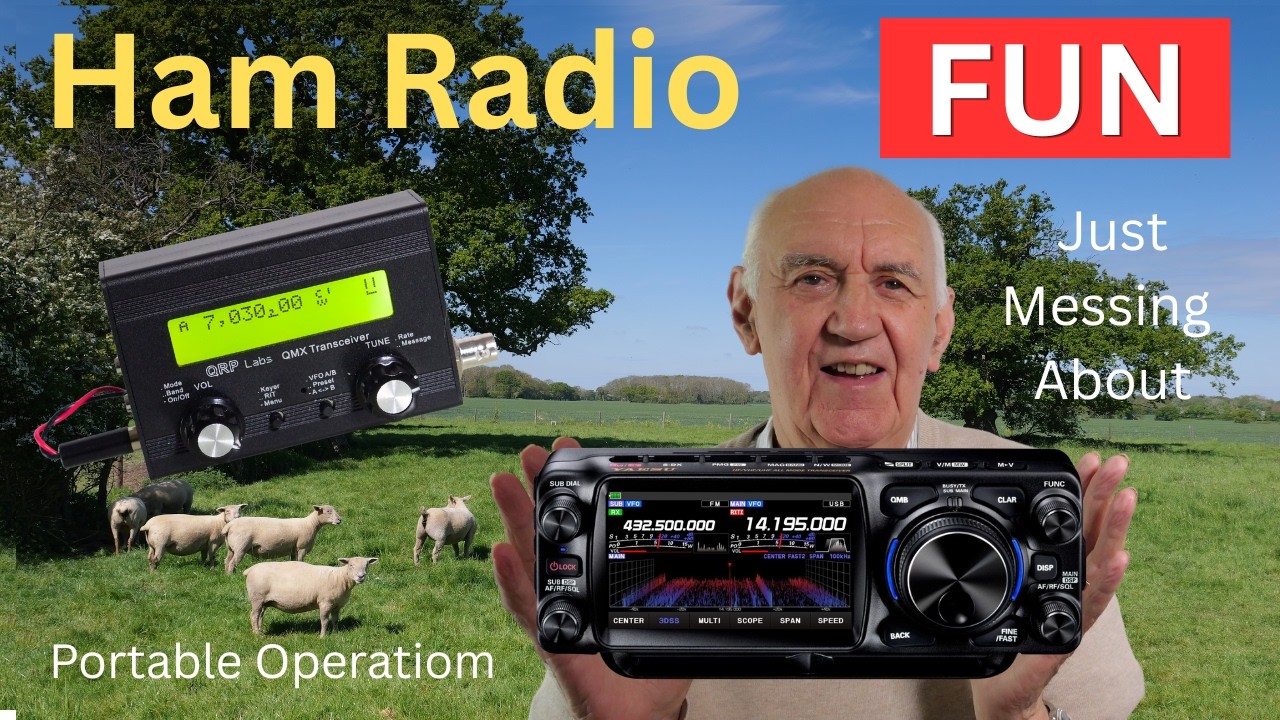
Sometimes ham radio can become a bit too complicated for its own good.
You can read endless articles about antenna design, feed systems, matching, efficiency, propagation, and ever more sophisticated equipment. All of that has its place, of course. But every now and then it is good to go back to basics, run out a bit of wire, put a simple rig on the air, and see what happens.
That is very much the spirit of portable HF operation as many of us first knew it. No antenna analyser in the early days. No great stack of accessories. In some cases, not even an SWR meter. Just enough knowledge to get going, a willingness to experiment, and the enjoyment of making contacts with simple gear.
I recently spent a few days in Suffolk at a holiday park on the site of an old Second World War airfield and took exactly that approach. I packed a couple of QRP transceivers, some wire, a few antenna bits and pieces, and treated the whole thing as an exercise in straightforward amateur radio fun.
Conditions were poor, particularly on 40 metres, but that did not really matter. The aim was not laboratory perfection. The aim was to play with portable antennas and enjoy the process.
-
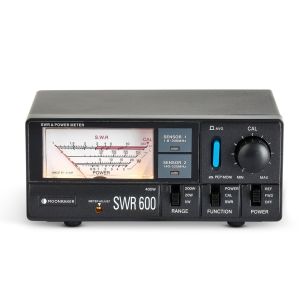 Moonraker SWR-600 (1.8-525 MHz 400W) VSWR Power MeterSpecial Price £79.95 Regular Price £84.95
 -
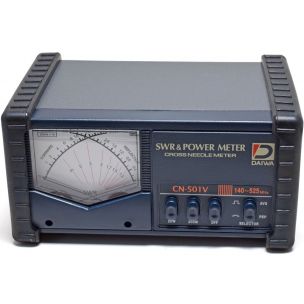 Daiwa CN-501VM (140-525MHz) 200W SWR/Power Meter (SO239)Special Price £119.95 Regular Price £139.95
 -
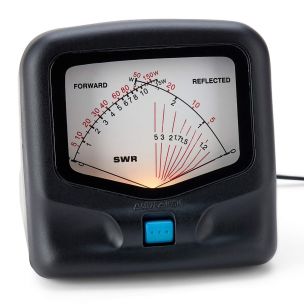 Sharman AV-40 - 140-525MHz 150W VSWR Power MeterSpecial Price £49.95 Regular Price £54.95
 -
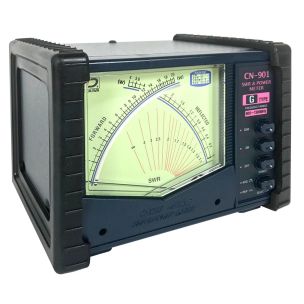 DAIWA CN-901G (900-1300MHz) 20W SWR/Power Meter (N-Type)Special Price £199.95 Regular Price £249.95
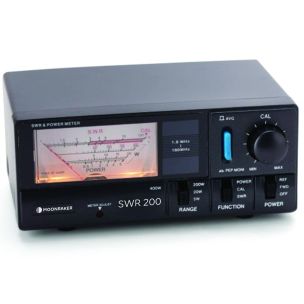
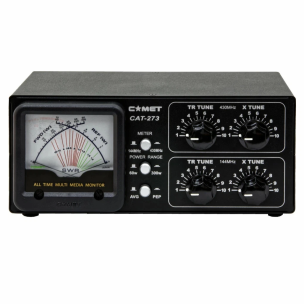
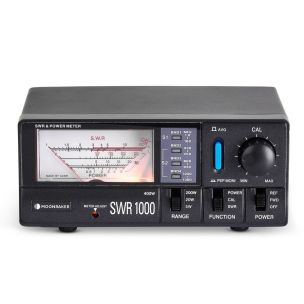
Product Carousel: Few Good SWR Meters
A Simple Approach to Portable Ham Radio
There is something refreshing about operating with modest expectations and simple equipment. It reminds you that ham radio is a hobby, and hobbies are meant to be enjoyable.
When I think of dipoles, I still think in what many would call old money. A 20-metre dipole is 33 feet long in my head. A 40-metre dipole is 66 feet, give or take. If I need metric, I can convert it, but those old figures are still what come naturally.
That same uncomplicated mindset carried over into this portable HF outing. Rather than over-engineering everything, I wanted to try a few practical antenna setups and see how they behaved in the real world.
Some operators like everything exact and measured to the last detail. Others are happy to improvise a little and trust experience. I have sympathy with both camps, but I do think there is room in amateur radio for simply messing about and learning by doing.
The Suffolk Location
The holiday park itself is in a pleasant, quiet part of Suffolk and has an interesting history. The site was once a wartime airfield, constructed around 1942. It was apparently intended for bomber use, but was eventually occupied by American forces flying Mustangs. After the war it passed to the RAF and finally closed in the 1950s.
It is a peaceful spot now, and a very nice place to spend a few days with radios and antennas.
Band Conditions Were Poor, but 20 Metres Was Usable
One thing became obvious very quickly: conditions were not helping.
On 40 metres, stations within the UK were struggling badly to complete contacts. There was very little activity and what was there seemed awkward, with the band not behaving especially well for short-range working. It felt like one of those days when the skip simply was not lining up for what you wanted to do.
Twenty metres was rather better, so that became the first band to try seriously.
Using a Mobile Whip on the Car
One of the easiest portable HF setups, especially when staying at a holiday home or static caravan, is to use the car itself as part of the station. It is tidy, quick to deploy, and avoids many of the usual problems of finding supports for wires.
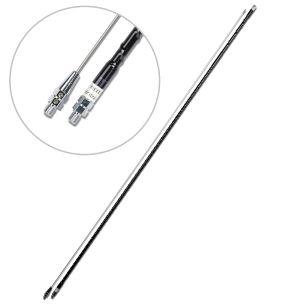
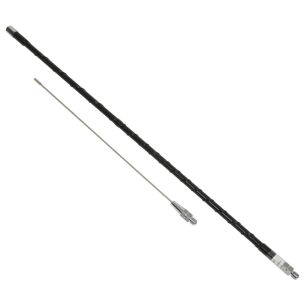
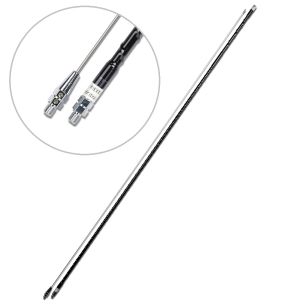
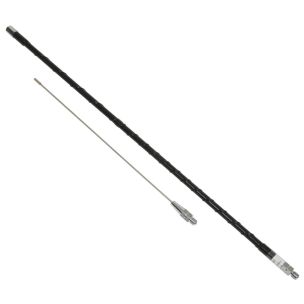
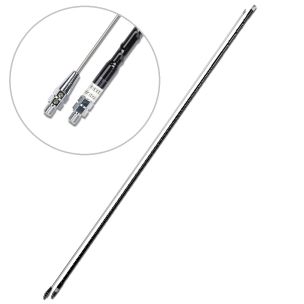
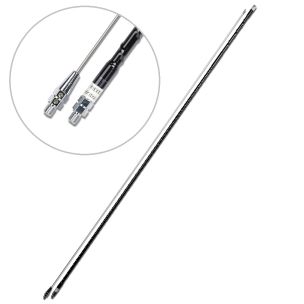
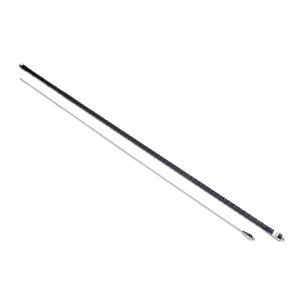
For 20 metres, I used an AmPro mobile whip mounted on the roof of the car with a mag mount. I have always liked the AmPro whips. They are inexpensive, but they perform very well for what they are.
For 20 metres and above, a single mag mount is perfectly acceptable. If you intend to work lower frequencies, you will generally want something more substantial on the grounding side of the system, such as a three-legged mag mount or another arrangement that improves the return path.
Because I wanted to operate from inside the holiday home, I ran an extension coax from the antenna outside and fed it in through a window. It made for a very comfortable operating position indoors while keeping the antenna in a sensible location outside.
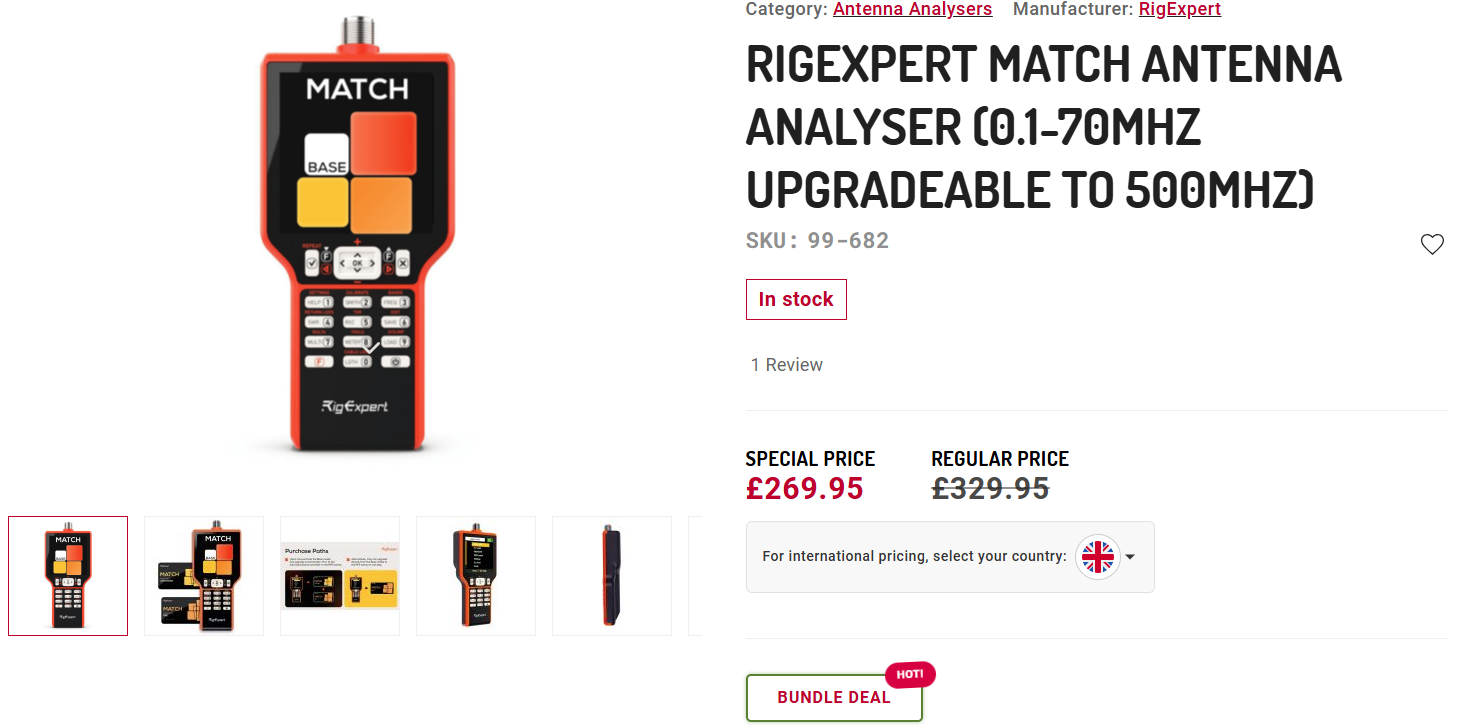
Checking Resonance Before Operating
The antenna had already been pre-tuned, but it still made sense to check the VSWR before getting on the air. For that I used a RigExpert antenna analyser.
One practical point is worth mentioning here: make sure you bring the correct adapters for whatever analyser you use. It is the sort of tiny detail that can bring a portable trip to a halt if you forget it. In this case, I needed a BNC connection.
The antenna showed a good resonance at the bottom end of the 20-metre band, exactly where I wanted it for CW work.
QRP Operation with the FT-817
The transceiver for the first session was a Yaesu FT-817, one of the classic portable QRP rigs. With its attached battery, it was producing about 6 watts and sat quite happily on the window ledge.
It is hard to think of a more proven portable radio than the FT-817. Small, versatile and perfectly suited to this sort of low-power holiday operation.
Using reverse beacon reports, I was pleased to see the signal was getting out well on 20 metres. That is one of the reassuring things about a simple mobile whip on a car. It looks modest, but in practice it can be surprisingly effective.
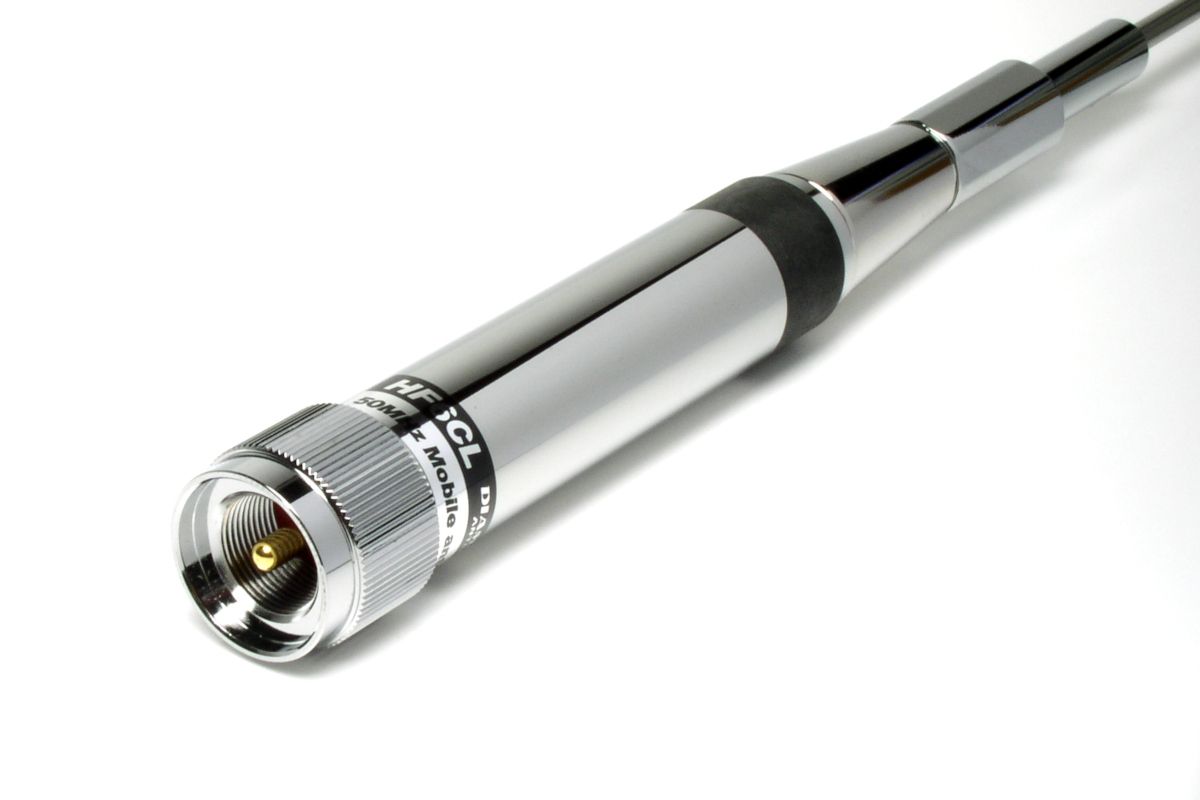
Trying 40 Metres with a Hustler Mobile Antenna
Having had success on 20 metres, I wanted to see how the same general approach would work on 40.
For that I used an older Hustler centre-loaded 40-metre mobile antenna. These are not, as far as I know, currently imported, but I happened to have one and put it on the car in place of the 20-metre whip.
The results were encouraging. The VSWR was good and I managed some solid CW contacts at the bottom end of 40 metres. Given the poor conditions, that was a satisfactory outcome.
This sort of setup is well worth remembering if you want a no-fuss portable HF station:
- Car as support and ground plane
- Mobile whip for the band of interest
- Coax through a window
- Small QRP transceiver indoors
It is simple, neat, and often more effective than people expect.
-
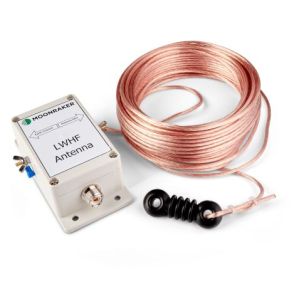 LWHF Multiband End Fed Long Wire AntennaAs low as £44.95
 -
 G5RV ANTENNA (Various Options)As low as £27.95
 -
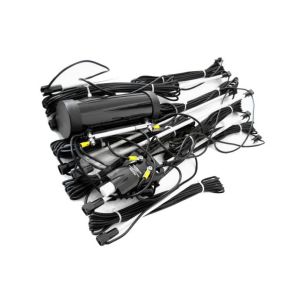 DIAMOND WD330S T2FD 2-28.6MHz Broadband HF Dipole AntennaSpecial Price £159.95 Regular Price £199.95
 -
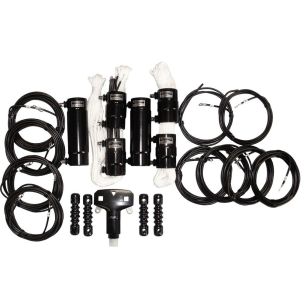 DIAMOND W8010 HF Dipole (80m/40m/20m/15m/10m)Special Price £119.95 Regular Price £149.95
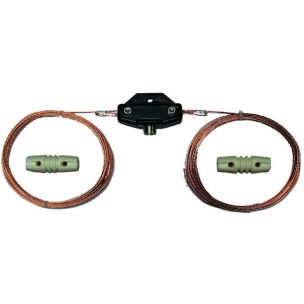
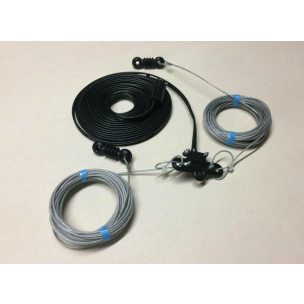
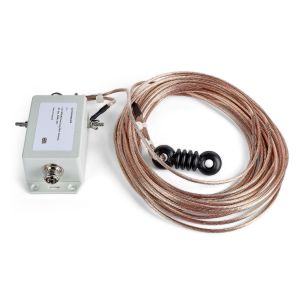
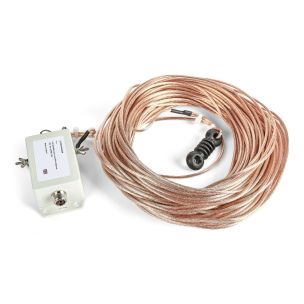

Wire Antenna: Our selection of a few wire antennas
Putting Up a Wire Antenna Outside
Convenient though the mobile whip was, I also wanted to put up a proper wire antenna outside and have a bit of fun with that.
I had brought along a portable military-style mast, one I have had for quite a few years but hardly used. It came from the Buddy Stick or Buddy Pole side of the world and is the sort of mast that goes together quickly with elasticated sections. Fully extended, it is around 15 metres high.
That mast was to support a light wire arranged as an inverted V. Strictly speaking, the system was an end-fed half-wave for 40 metres, fed through a 49:1 unun transformer, but the wire itself was supported in an inverted-V shape.
The Wire Antenna Plan
I had a 70-foot length of wire with me. That is enough for an end-fed half-wave on 40 metres and gives useful multiband coverage as well, namely:
- 40 metres
- 20 metres
- 15 metres
- 10 metres
The plan was straightforward:
- Attach the 49:1 unun to one end of the wire at the feed point.
- Feed the wire through an insulator fixed near the top of the mast.
- Lash the mast to the decking.
- Run one side of the wire down towards the decking.
- Run the far end away towards the car, forming an inverted-V style arrangement.
- Nothing exotic. Just practical portable HF operation.
Real-World Portable Antenna Problems
Of course, theory and field practice are not always the same thing.
The wire had not been wound neatly onto a reel before the trip. It had simply been bundled into the back of the car. That is the sort of thing that seems harmless until you come to deploy it and find yourself wrestling with a tangled mass of wire.
Still, that is all part of the fun. Portable operation has a way of exposing every shortcut taken before leaving home.
Once the mast was in place and the wire was run out, the feedpoint transformer was simply laid on the decking. One end of the wire came down there, while the far end was taken away and tied off to a wooden chair.
Yes, a chair.
As it turned out, the antenna was slightly too long and needed shortening a little, which also meant moving the chair closer to the van. Again, this was not textbook installation work, but it was perfectly serviceable for a temporary portable setup.
Operating the Wire Antenna with QRP
The first stage of operation on the wire antenna was with the FT-817 at about 6 watts. After that I switched over to a QMX transceiver.
The QMX was producing roughly 4 watts on 40 metres, but on sideband it uses controlled-envelope SSB and polar modulation. The practical effect is that its 4-watt signal can sound more like an 8 or 9-watt signal. It is a very efficient approach to transmission and suits low-power portable operating extremely well.
I completed a sideband contact of around five minutes using that setup. The recorded audio was a bit thin because the microphone was too far away from the transceiver, so the on-air sound in the recording came across weak and noisy. But the contact itself was enjoyable and proved the station was working.
Does It Have to Be Perfect?
There is an important point in all of this, and it goes beyond one holiday trip in Suffolk.
Portable amateur radio does not always need to be polished and immaculate. Sometimes a temporary setup is just that: temporary. You improvise. You tie off a wire where you can. You use what is available. You make sensible decisions, but you do not let perfection stop you from getting on the air.
Was winding the end of an aerial around a garden chair best practice? No, not really.
Did it matter very much in this instance? Probably not.
That is not an argument for being careless. It is simply a reminder that experimentation is part of amateur radio, and practical results often matter more than appearances. If the setup is safe, functional and gets you on the air, it may be entirely good enough for the purpose.
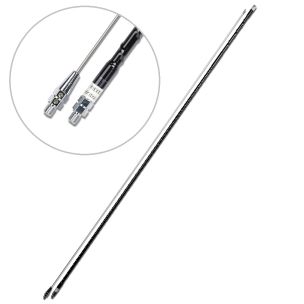
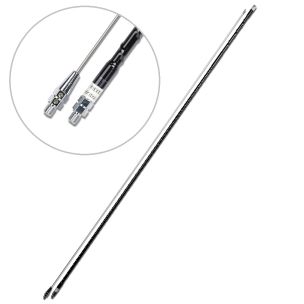
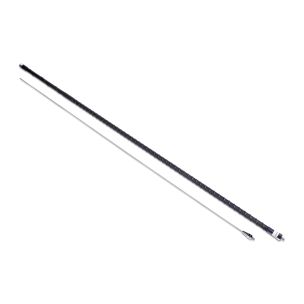
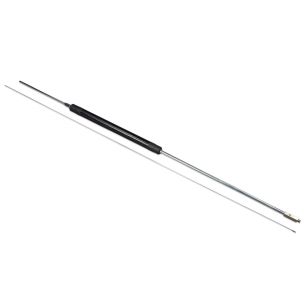
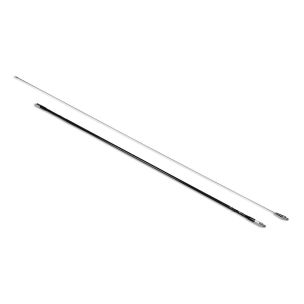
Product Carousel: A few of our Mobile Antennas
What This Kind of Portable HF Operation Teaches
One of the pleasures of simple portable operation is that it brings you back to fundamentals. You start thinking less about buying another accessory and more about what really matters.
This sort of outing reinforces a few useful lessons:
- Simple antennas can work very well. A mobile whip on a car or a length of wire on a mast can produce excellent results.
- QRP remains rewarding. Even with only 4 to 6 watts, contacts are entirely possible when the antenna and band choice are sensible.
- Preparation helps. Bring the right adapters, tune beforehand if possible, and wind your wire onto a reel next time.
- Operating conditions matter. Sometimes the bands are simply poor, and no amount of technical fussing will change that.
- Enjoyment is the point. Ham radio is a hobby, not a compliance exercise.
A Good Reminder About the Hobby
There is a lot to be said for modern equipment, precise measurement and technical understanding. None of that is being dismissed. But there is also great value in retaining the spirit of experimentation many of us started with.
A bit of wire. A small rig. A convenient support. A quiet location. A few contacts if conditions allow.
That is more than enough to make for a thoroughly enjoyable session on the HF bands.
Portable ham radio does not have to be complicated to be satisfying. Sometimes the best outings are the least technical ones, where you simply set something up, try it, and appreciate the pleasure of radio in the open air.
And if one end of the antenna happens to be tied to a chair, so be it.
For more information please visit our online store or alternatively contact us and our team will be happy to assist you.