

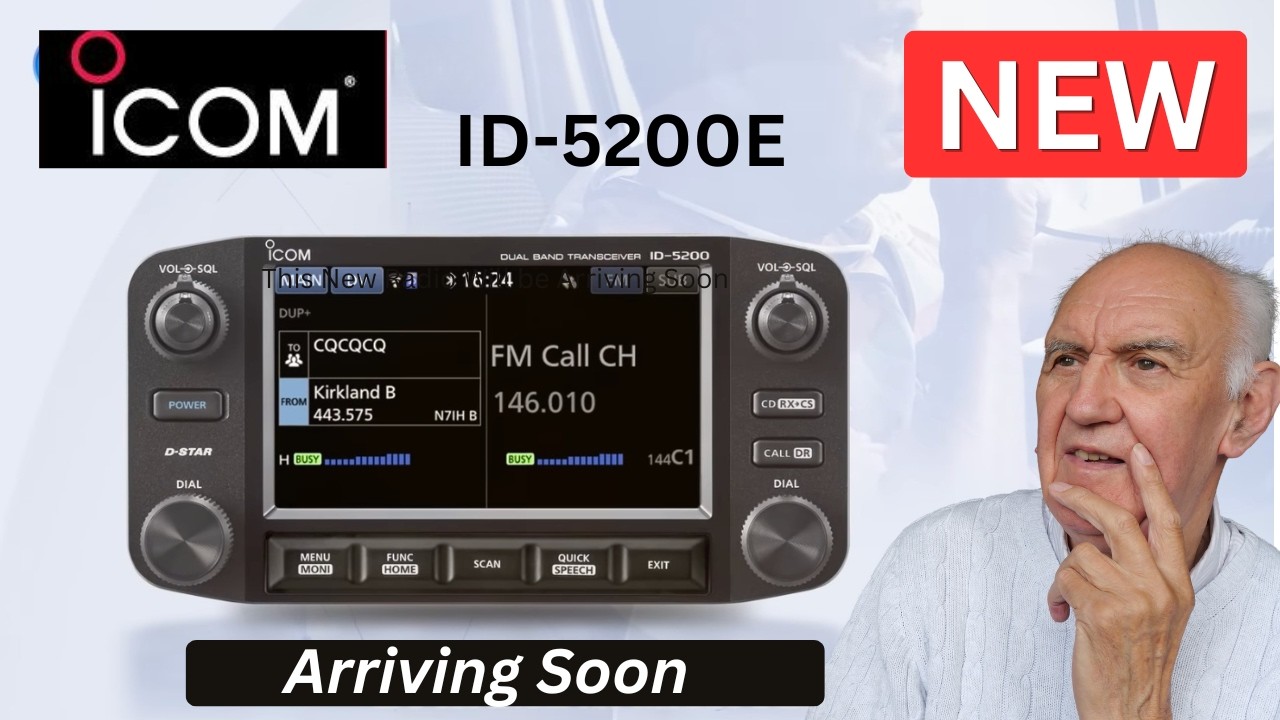
A couple of days ago there was quite a bit of excitement around the announcements coming out of Dayton Hamvention. Many of us were hoping to learn more about Icom’s mystery XO26 transceiver, but that one remains exactly that, a mystery. All that appeared was what looked like the main transceiver and a separate head unit sitting in a glass case, with no useful detail to go on.
What Icom did properly unveil, however, was the ID-5200, a new mobile transceiver set to replace the long-running ID-5100. And on the strength of the information released so far, this looks like a very serious step forward for operators interested in 2 metre and 70cm operation, particularly anyone using or considering D-STAR.
There are still gaps in the story. We do not yet have pricing, delivery dates, or a full technical breakdown. But there is already enough to get a good sense of where Icom is aiming with the ID-5200, and it appears to be aiming high.
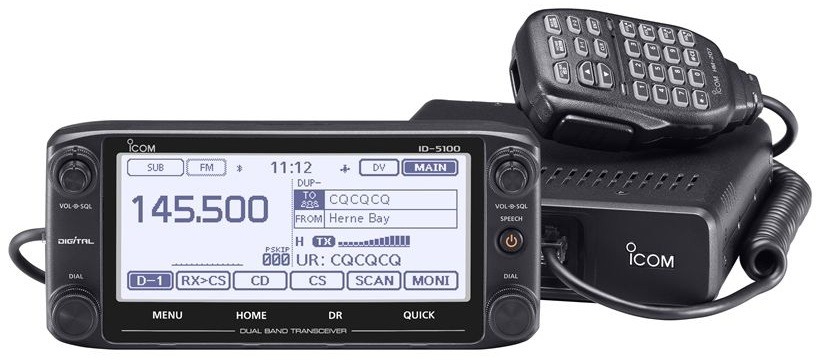
A true successor to the ID-5100
Icom describes the ID-5200 as its next-generation VHF/UHF dual band digital transceiver, and it is clearly positioned as the company’s flagship mobile set in this category.
The ID-5100 has long been a familiar name in mobile D-STAR operation, so replacing it is no small matter. The ID-5200 does not look like a light refresh or cosmetic update. From what has been shown, it is a more modern, more connected, and more feature-rich radio built for operators who want far more than basic dual-band FM.
A larger, more modern display
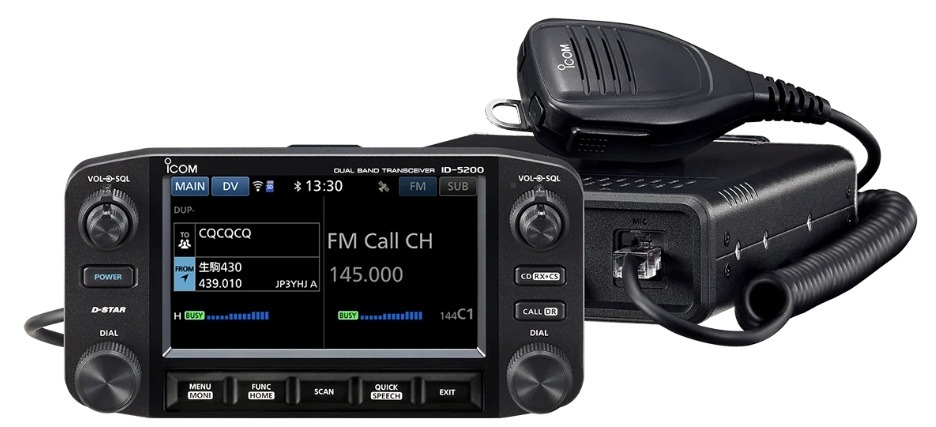
One of the first things that stands out is the new 4.3-inch colour LCD touchscreen. This is clearly a central part of the ID-5200 experience.
Icom is presenting information in a more graphical way, so frequencies, operating modes, and status indicators should be much easier to read at a glance. That matters in any shack, but it matters even more in a mobile environment where clarity and speed of use are essential.
There is also automatic brightness adjustment for both the LCD and the key backlighting. The radio is designed to adapt to surrounding light conditions automatically, which should help keep the display visible whether you are operating in bright daylight, dull overcast conditions, or at night.
For a mobile rig, that sort of usability improvement is not a gimmick. It is exactly the kind of refinement that makes a radio easier and more pleasant to live with every day.
Designed for straightforward mobile operation
Icom seems to have put real effort into making the ID-5200 intuitive to use in the car as well as in the shack.
The front panel includes independent tuning dials, volume controls, and squelch knobs for the A and B bands, laid out on the left and right sides. On top of that, frequently used menus, functions, and the quick menu are assigned to physical buttons rather than being buried entirely in touch menus.
That should be good news for anyone who prefers proper tactile controls for core functions. A touchscreen can be very useful, but on a mobile transceiver it needs to be balanced with direct-access controls, and from the early information released, Icom appears to understand that.
Band scope and waterfall bring better situational awareness
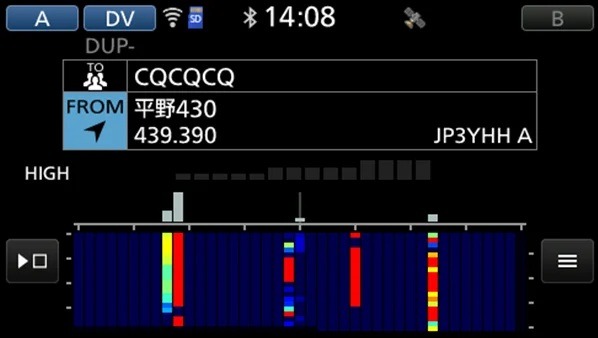
The ID-5200 includes both a band scope and a waterfall display, which immediately pushes it into more advanced territory than many traditional mobile rigs.
These tools make it easier to see signal activity across the band and quickly understand what is happening around your operating frequency. Rather than simply tuning by ear, you get a visual picture of band conditions, which can make operating more efficient and more engaging.
The band scope can be set to:
- Centre mode
- Fixed mode
- Fixed scroll mode
There is also a memory scope function, suggesting that Icom is giving operators several different ways to visualise activity, not just a single static display.
D-STAR capabilities have been expanded
This is one of the most important parts of the announcement. The ID-5200 is not simply a dual-band mobile with D-STAR added on. It appears to be a significantly more capable D-STAR mobile transceiver than the model it replaces.
Among the highlighted features are terminal mode and access point mode. These modes allow long-distance communication even where direct access to D-STAR repeaters is not available. For many operators, that expands the practical usefulness of the radio well beyond local repeater coverage.
Icom has also included a DV repeater monitor function, which allows you to hear audio from the destination repeater during gateway communications. That should make it easier to understand what is happening on the network path rather than operating blind.
Another notable addition is the ability to send, receive, and view images using the transceiver alone. That broadens the communication possibilities within D-STAR and gives the set a more modern feel overall.
APRS support is coming via firmware update
One of the more interesting announcements is that the ID-5200 will support the APRS protocol through a future firmware update.
That is worth underlining. APRS is not being presented as available immediately at launch, but it is clearly part of the intended feature set.
Once enabled, APRS should allow transmission and reception of real-time packet data including:
- GNSS position information
- Text messages
- Weather data
Icom describes this as offering a wide range of packet communication functions, and paired with the built-in positioning hardware, it could become a major selling point for operators who want both digital voice and packet capability in one mobile unit.
Wi-Fi and Bluetooth add a new level of flexibility
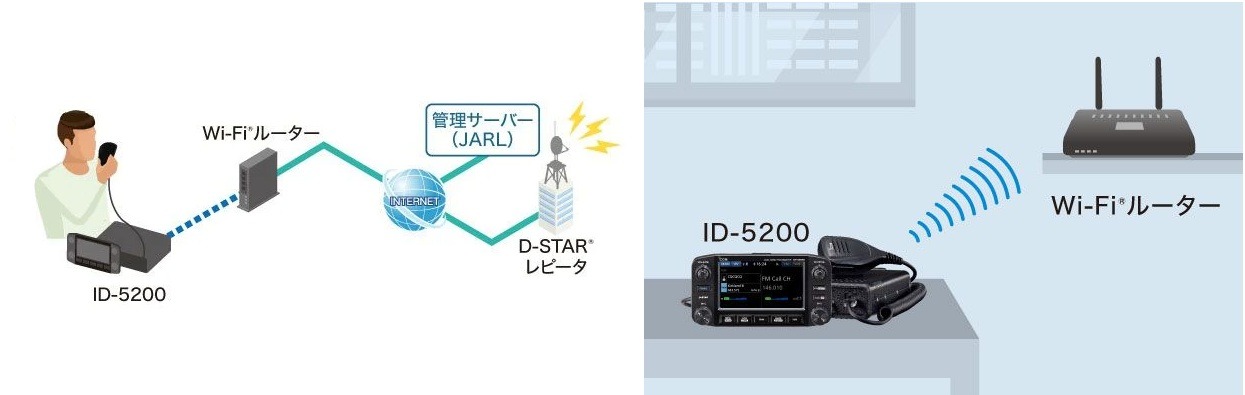
The ID-5200 supports both Wi-Fi and Bluetooth, and this is one of the clearest signs that the radio is meant to feel like a next-generation product rather than just a conventional mobile set with a few updates.
Wi-Fi is used to provide smoother internet access, particularly for terminal mode and access point mode operation. In practical terms, that should make internet-linked D-STAR functions easier and more seamless.
Bluetooth support appears to be quite broad. Icom says it allows connection with a smartphone for use with control software and picture utility applications. It also supports commercially available wireless headsets and microphones.
That opens up some genuinely useful installation and operating possibilities, especially in mobile setups where reducing cable clutter can make a real difference.
Built-in high-precision GNSS receiver
A high-precision GNSS receiver is built into the ID-5200. This is particularly relevant for APRS and DPRS operation, where accurate position information is part of the point.
Beyond simply reporting position, the radio can also display nearby repeaters based on your current location. That could be extremely useful for mobile operators travelling through unfamiliar areas, especially if integrated well into the radio’s user interface.
Two independent receivers with full AB flexibility
The ID-5200 uses two independent receivers, allowing unrestricted A/B band operation with identical performance. According to Icom, any band and mode combination is supported, including:
- FM-FM
- FM-DV
- DV-DV
That means true dual-watch flexibility rather than a more limited implementation where one side is favoured or certain combinations are restricted.
One particularly strong point is that you can monitor two D-STAR signals at the same time. For example, that could mean two repeaters, or a repeater plus simplex. For active D-STAR users, that is a very attractive capability and one of the standout features mentioned so far.
Airband reception is mentioned, but with a question mark
Icom also states that the ID-5200 supports UHF airband reception.
That point may need clarifying once fuller specifications are released. It was specifically described as UHF airband, though naturally that raises the question of whether this was intended exactly as stated or whether there may be more to the story. Until the technical details are published, it is best to treat this as a feature that has been mentioned but not yet fully explained.
Flexible installation options
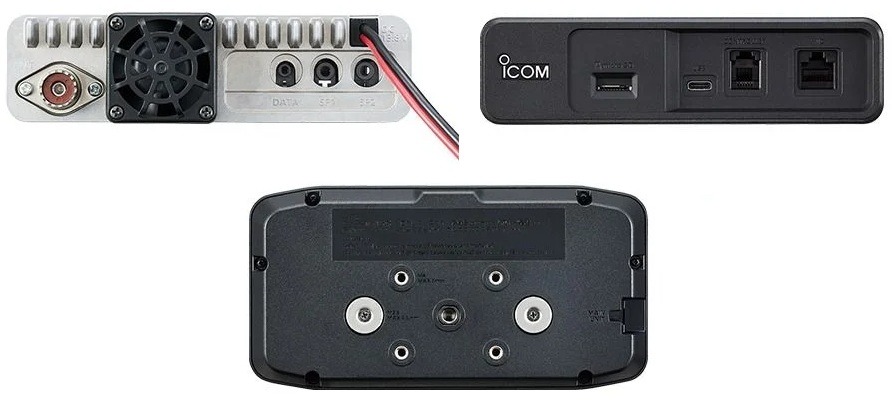
Icom has also given some attention to how the controller can be mounted, which matters a great deal with a mobile transceiver.
- The announced options include:
- Camera tripod mounting
- AMPS hole pattern compatibility for vehicle mounts
- Use of the Icom MBF-1 mounting base with the MBA-20 controller bracket
There are also optional controller brackets for standalone installation or for docking with the RF unit. That should give users a fair amount of freedom when planning an installation, whether in a vehicle or at a fixed operating position.
Other features worth noting
Alongside the headline items, the ID-5200 also includes several practical features that round out the package:
- Extensive memory channel capability
- USB Type-C connectivity
- MicroSD card slot
- Voice announcements for frequency, mode, and received call sign
None of these alone defines the radio, but together they reinforce the impression of a well-equipped, thoroughly modern transceiver intended to be comfortable in daily use.
The overall picture
Based on what has been released so far, the Icom ID-5200E looks like a substantial upgrade over the ID-5100 rather than a mere replacement. The large colour touch display, band scope and waterfall, independent dual receivers, expanded D-STAR functions, future APRS support, wireless connectivity, and built-in GNSS all point to a radio designed to do quite a lot more than traditional dual-band mobile work.
It certainly feels like a transceiver aimed at amateur radio operators who want serious capability on VHF and UHF, especially those with an interest in digital voice, networked operation, packet functions, and flexible mobile installation.
What we still do not know
As promising as the ID-5200 looks, there are still some obvious missing pieces.
At the moment, there is no confirmed price, no firm delivery date, and no full technical specification sheet available from the information released here. A likely timeframe may be summer, but that remains no more than an educated guess until Icom confirms it.
So for now, the sensible position is simple: the radio looks extremely promising, but there is more to learn before anyone can make a final judgement.
Early verdict
First impressions are very positive. The ID-5200 appears to offer an awful lot for ham radio operators working in the VHF and UHF sector, and if Icom delivers on the promise shown in the announcement, this could become one of the most talked-about mobile transceivers in its class.
For the moment, this is everything currently known about the new Icom ID-5200 transceiver. As more details emerge on specifications, pricing, and availability, the picture will become clearer. But as announcements go, this one has certainly got people talking.
-
 RG174 Mil Spec (50 Ohm) Super Thin CoaxAs low as £0.50
 -
 RG58 Standard (50 OHM) CoaxAs low as £0.45
 -
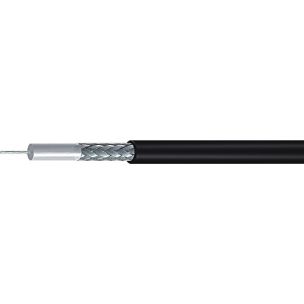 RG58 Mil Spec (50 OHM) CoaxAs low as £0.60
 -
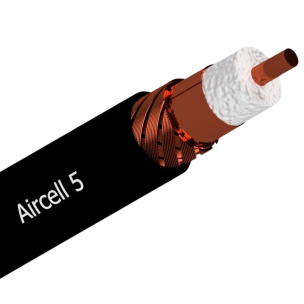 SSB - Aircell 5 (Low Loss Coax) (5mm)As low as £2.75
 -
 M&P - Airborne 5 CoaxAs low as £1.35
 -
 Mini8 Mil Spec (50 OHM) CoaxAs low as £0.90
 -
 M&P - POTA-FLEX 7 CableAs low as £4.50
 -
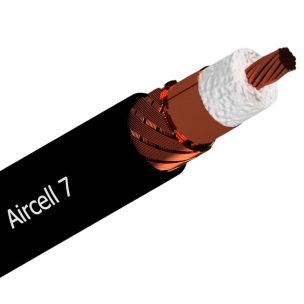 SSB - Aircell 7 (Low Loss Coax) (7mm)As low as £3.95
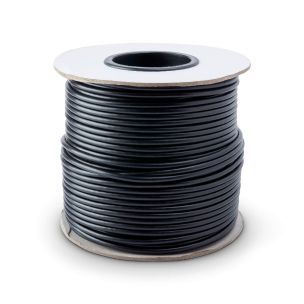
Our Cable Solutions to pair up with your radio! (Diameter - 3,5,7mm)
-
 RG213 Mil Spec (50 OHM) CoaxAs low as £1.75
 -
 FZ400CU (LMR400) Super Low Loss CoaxAs low as £2.25
 -
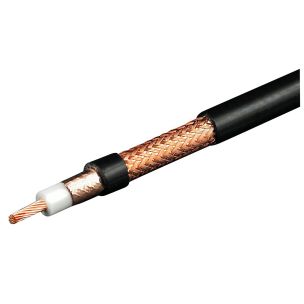 M&P - Ultraflex 10C (Competition) CoaxAs low as £3.50
 -
 SSB - Ecoflex 10 (Low Loss Coax) (10mm)As low as £5.25
 -
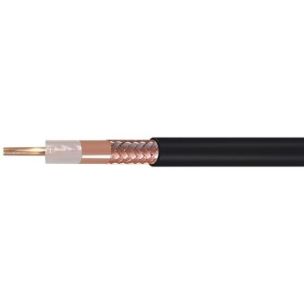 Formula Zero Mil Spec (50 OHM) CoaxAs low as £2.00
 -
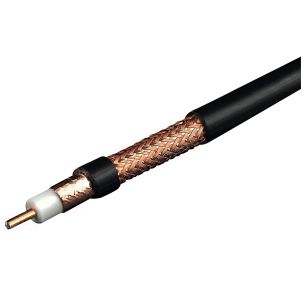 M&P - Broad-Pro 50c CoaxAs low as £4.25
 -
 SSB - Ecoflex 15 (Low Loss Coax) (15mm)As low as £8.95
 -
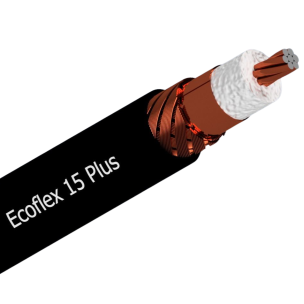 SSB - Ecoflex 15 PLus (Low Loss Coax) (15mm)As low as £10.95
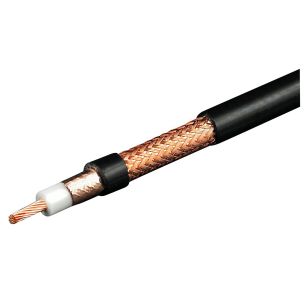
Our Cable Solutions to pair up with your radio! (Diameter - 9, 10, 14mm)
For more information please visit our online store or alternatively contact us and our team will be happy to assist you.