

VIDEO
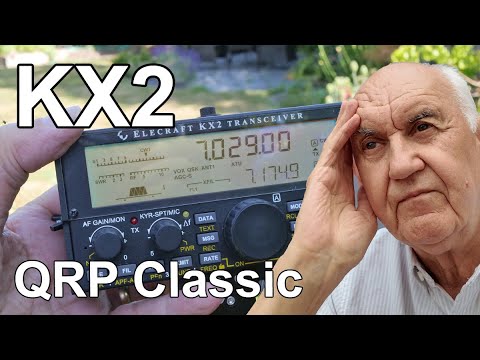
In the ever-evolving world of amateur radio, certain transceivers stand the test of time, becoming trusted companions for operators across the globe. Among these, the Elecraft KX2 holds a special place, cherished for its ingenious design, compact size, and remarkable performance. Having spent many years with this exceptional little radio, I want to share why the KX2 remains a reliable and enjoyable transceiver, especially in times when solar activity is low and band conditions are flat.

Introduction to the Elecraft KX2
The KX2 is often described as the “baby” of the Elecraft KX3, and while it came after the KX3, it has carved out its own niche in the ham radio community. Unlike the KX3, which covers a broader range of bands including 160m and 6m, the KX2 covers 80m through 10m. This might seem like a limitation at first, but the KX2’s coverage is more than adequate for most portable and general HF operations.
What truly makes the KX2 stand out is its concept—an extraordinary blend of portability, power, and functionality that hasn’t really been matched by many other transceivers. This radio is a masterpiece of engineering, combining a compact form factor with features usually found in much larger rigs.
Design and Build Quality: Compact Yet Powerful
One of the first things you notice about the KX2 is its size. It’s incredibly compact, yet it packs a punch. This transceiver can deliver 5 watts of output power from its internal rechargeable battery, which is sold separately. With an external 12V power supply, it can boost that power output to around 10 watts, which is impressive given the radio’s diminutive size.
The KX2’s build quality is exceptional. The display is the same one used in Elecraft’s K3 base station transceivers, providing excellent readability even in daylight conditions. The buttons and controls are well thought out, with most of them serving dual functions to maximise usability without cluttering the front panel.
For instance, the volume control doubles as a filter bandwidth adjustment when the filter button is pressed. Another control adjusts the audio gain on SSB or the words-per-minute speed on CW, and pressing it longer toggles the power output. These dual functions allow the radio to remain compact without sacrificing control or convenience.

Innovative Features
- Built-in Antenna Tuner:
- Internal Rechargeable Battery:
- Steady Carrier for Tuning:
- CW Decoding:
- Internal Microphone:
One of the standout features of the KX2 is its integrated antenna matching unit (ATU). This tuner can match virtually any antenna, making it incredibly versatile for portable operations where antenna choices might be limited.
The rechargeable battery fits neatly inside the radio, providing around three hours of typical operation. A clever design feature allows a spare battery to be plugged into the external DC socket for quick swapping, minimising downtime in the field.
The KX2 offers a button that generates a steady carrier signal, ideal for tuning external antenna tuners or for precise adjustments.
While not perfect, the KX2 includes a built-in CW decoder. It can be helpful for operators who want to quickly read Morse code transmissions, though it’s advisable not to rely on it entirely.
Hidden just to the left of the volume control, the built-in mic allows the KX2 to be used without an external microphone, making it even more portable and convenient.
Operating the KX2: A Hands-On Experience
Operating the KX2 is a joy, especially for those who appreciate simplicity combined with depth. The radio’s controls are intuitive once you get the hang of the dual-function buttons. For example, the filter bandwidth and center frequency can be adjusted smoothly with the same knob, saving space and making operation more fluid.
The preamp and attenuator functions are toggled through a single button, cycling between preamp on, preamp off, and attenuator modes. This is particularly useful when dealing with varying signal strengths and noise levels, enabling the operator to optimise reception on the fly.
For CW operators, the KX2 offers a dedicated control to adjust the keyer speed (words per minute), and holding that same control allows you to adjust the power output. This seamless switching between functions is a testament to Elecraft’s thoughtful design philosophy.
- Frequency and Mode Selection
- Audio and Speaker Placement
Changing bands and modes is straightforward. A dedicated band button lets you cycle through the available bands, and a mode button cycles through modes such as SSB, CW, and more. For quick frequency changes, you can directly enter frequencies using the keypad, which doubles as a numeric input when held down appropriately. This feature is handy for rapid QSY (frequency changes) without scrolling through the dial.
The speaker is mounted on the back of the radio, which some might question, but the idea is that placing the radio on a hard surface bounces the sound towards the operator. While not perfect, this design works adequately for portable operations.
Portability and Field Use
The KX2 was designed with portability in mind. It’s small enough to fit into a backpack or even a large jacket pocket, making it ideal for field days, portable operations, or emergency communications. I often pair it with a screwdriver antenna like the Yaesu ATS-25 and a few radials for a simple yet effective portable setup.
For example, my typical portable rig consists of the KX2, the ATS-25 screwdriver antenna, and three radials. This setup covers 6m to 40m, and even at just 3 watts, I’ve received solid reports on the Reverse Beacon Network, demonstrating the KX2’s ability to punch above its weight.
- Reverse Beacon Network and Test Calls
When operating portable and testing the setup, it’s important to use correct call signs to avoid confusion. Instead of sending a general CQ, using “test” calls like “test G3JV” is recommended. This ensures that other stations understand you’re not calling for a contact but rather testing your signal. The Reverse Beacon Network recognises these test calls and provides valuable feedback on your signal strength and quality.
Historical and Market Context
The KX2 was one of Elecraft’s first transceivers available only as a fully assembled unit, marking a departure from their traditional kit-based offerings. This shift allowed more operators to enjoy Elecraft’s quality without the need for assembly skills.
While the KX2 remains in production, it’s no longer imported into some markets like the UK due to rising costs from freight, VAT, and other fees, which make it less competitive in price. However, it continues to sell in the USA and can occasionally be found on the secondhand market, though these units are rare and often highly sought after.
Despite the lack of new sales in some regions, the KX2’s reputation endures. Many operators who own one still enjoy using it regularly because of its reliability, ease of use, and excellent performance.
Community and Events: Looking Forward to WRTC 2026
Beyond individual radios, the ham radio community thrives on events and competitions. One particularly exciting upcoming event is the World Radiosport Team Championship (WRTC) 2026, which will be hosted in the United Kingdom. This prestigious contest brings together the world’s best operators, competing under equal conditions to truly test operator skill.
The WRTC is held every four years, changing host nations each time. The 2026 event will be the tenth WRTC, and it promises to be a fantastic showcase of contesting excellence. Fifty teams of two operators each will compete over 24 hours, using identical antennas and equipment within the same geographic area to eliminate variables like location and antenna advantage.
As a supporter and backer of this event, I’m thrilled to see such initiatives that level the playing field and celebrate the art of radio operation. While I may be a bit old to compete myself, I look forward to following the event closely and cheering on the participants.
Why the KX2 Still Matters Today
In a world where modern transceivers boast colour displays, touch screens, and digital signal processing, the KX2 might seem a little old-fashioned. However, it remains incredibly relevant for several reasons:
- Operational Excellence:
- Portability:
- Reliability:
- Built-in Antenna Tuner:
The KX2’s controls and features are designed for efficiency and ease of use, making it a joy to operate without getting bogged down in complex menus.
Its small size and lightweight design make it one of the best options for field operations, backpacking, and emergency preparedness.
Having been in use for over seven years, the KX2 has proven itself to be dependable and robust, withstanding the rigours of outdoor use.
This feature alone saves operators from carrying extra bulky equipment, simplifying the setup and making quick frequency changes more manageable.
While it may lack the visual flair of newer radios, the KX2’s performance and user-friendly design ensure it remains a favourite among many ham radio enthusiasts.

Practical Tips for Prospective KX2 Owners
If you’re considering purchasing a KX2, especially from the secondhand market, here are some practical tips and insights based on years of experience:
- Check the Battery Condition:
- Inspect Physical Condition:
- Accessories:
- Learn the Controls:
- Consider Antenna Options:
The internal rechargeable battery is sold separately and is crucial for portable use. Ensure the battery is in good condition or budget for a replacement.
Early models might show signs of wear and tear, such as missing screws or worn paint. These cosmetic issues do not usually affect performance but are worth noting.
Elecraft makes a dedicated CW key for the KX2, which is compact and fits perfectly. While it’s not cheap, it’s worth considering for serious CW operators.
Spend time familiarising yourself with the dual-function buttons and knobs. The user manual is invaluable here, and once you master these controls, operating the radio becomes second nature.
Pairing the KX2 with a versatile antenna like the Yaesu ATS-25 screwdriver antenna and a few radials can provide excellent portable HF coverage.
Conclusion: A Timeless Companion
The Elecraft KX2 is more than just a transceiver; it’s a testament to thoughtful engineering and the spirit of amateur radio. Its combination of portability, power, and functionality has made it a beloved radio for many operators, myself included. Even in an era of flashy, high-tech radios, the KX2 continues to deliver reliable performance and ease of use.
Whether you’re a seasoned operator looking for a compact portable rig or a newcomer wanting a dependable radio that’s easy to operate, the KX2 deserves serious consideration. It’s a radio that invites you to get on the air, enjoy the hobby, and make new friends through the magic of radio waves.
For those interested in exploring the KX2 or other ham radio equipment, many UK-based and international suppliers offer a wide range of products and accessories. Don’t hesitate to reach out and discuss your needs with knowledgeable dealers who can help you find the perfect setup.
Happy operating, and may your signals always be strong!
For more information please visit our online store or alternatively contact us and our team will be happy to assist you!