

I recently found myself in Woodhall Spa, Lincolnshire, and it stirred up memories from my earliest days in amateur radio. Not just the usual nostalgia about old gear and youthful enthusiasm, but something a bit deeper.
Like many youngsters getting into ham radio in the late 1950s and early 1960s, I got on the air with war surplus equipment. That was simply the reality of the time. It was what was available, and more importantly, it was what we could afford.
But standing in a place so bound up with wartime history made me stop and think. Did we ever really consider where those radios had come from? Did we fully appreciate what those sets had done before they ended up on our benches, in our sheds, and eventually in service on the amateur bands?
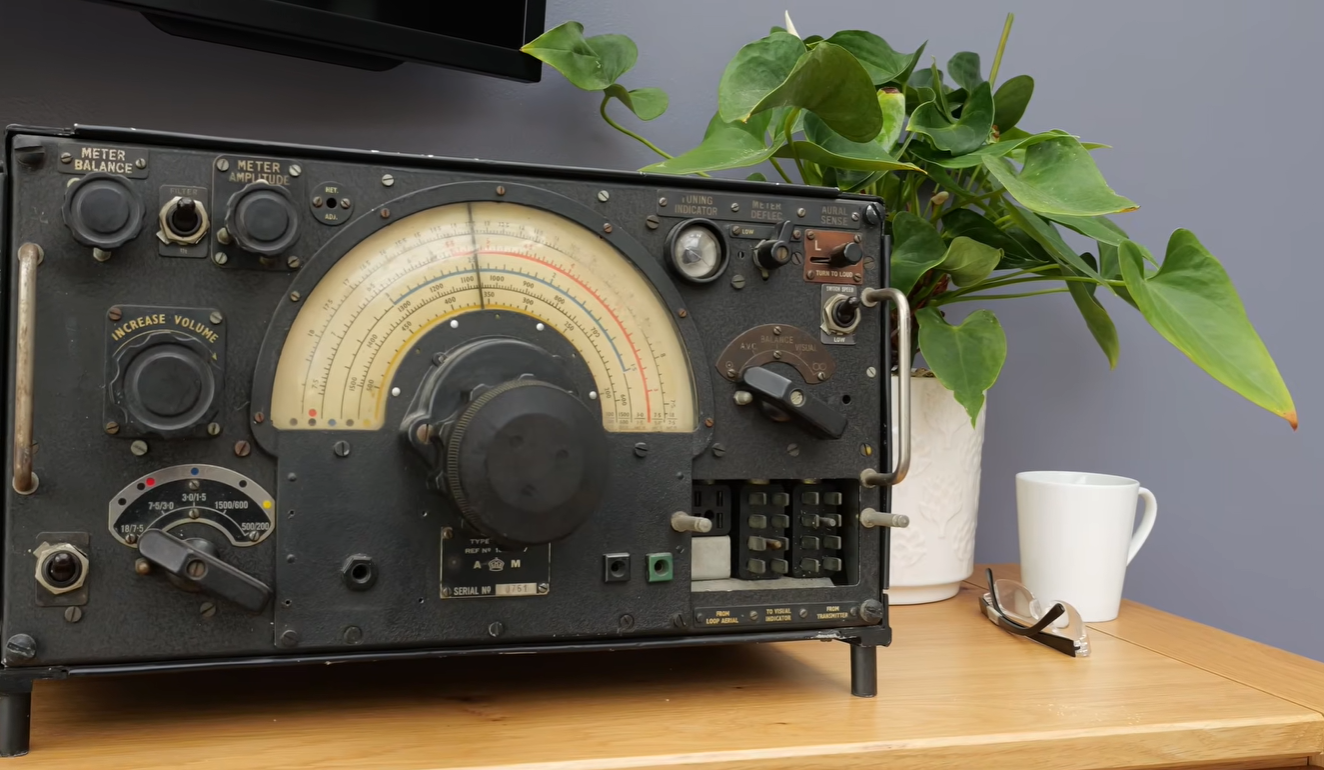
How War Surplus Equipment Helped a Generation of Radio Amateurs
For many young amateurs of that era, war surplus gear was not just a convenient option. It was often the only realistic route into radio.
There was very little modern, ready-made amateur radio equipment available, and what did exist tended to come from the USA and carry a price tag far beyond the means of most youngsters. If you were starting out, chances were you were not buying shiny purpose-built ham gear. You were making do, adapting, learning, and getting on the air with equipment that had already lived an entirely different life.
By modern standards, much of that ex-military kit was rough going. The receivers drifted. Stability was not exactly wonderful. Sensitivity and selectivity were limited. You often had to build a power supply yourself before you could even begin using the thing.
And yet none of that really mattered.
It worked well enough to let a keen young amateur hear signals, learn operating practice, and make contacts. For many of us, those imperfect wartime radios were the gateway into a lifetime in radio.
The Question We Did Not Ask at the Time
When you are young, eager, and desperate to get on the air, you tend to focus on whether a set functions, not on its backstory. A receiver was a receiver. If it could be coaxed into life and helped you tune across the bands, that was enough.
But with the benefit of age, it becomes harder to ignore what those radios represented.
That wartime receiver on the bench may have been handled by an airman serving his country. It may have flown on operations. It may have sat in a bomber, a ground station, or a military post under circumstances that were anything but ordinary. The person using it before us may not have returned.
That is a sobering thought.
So while many older radio amateurs can look back fondly on the war surplus era, I do think it is worth pausing to acknowledge how fortunate we were to have access to that equipment, and to remember the human history behind it.
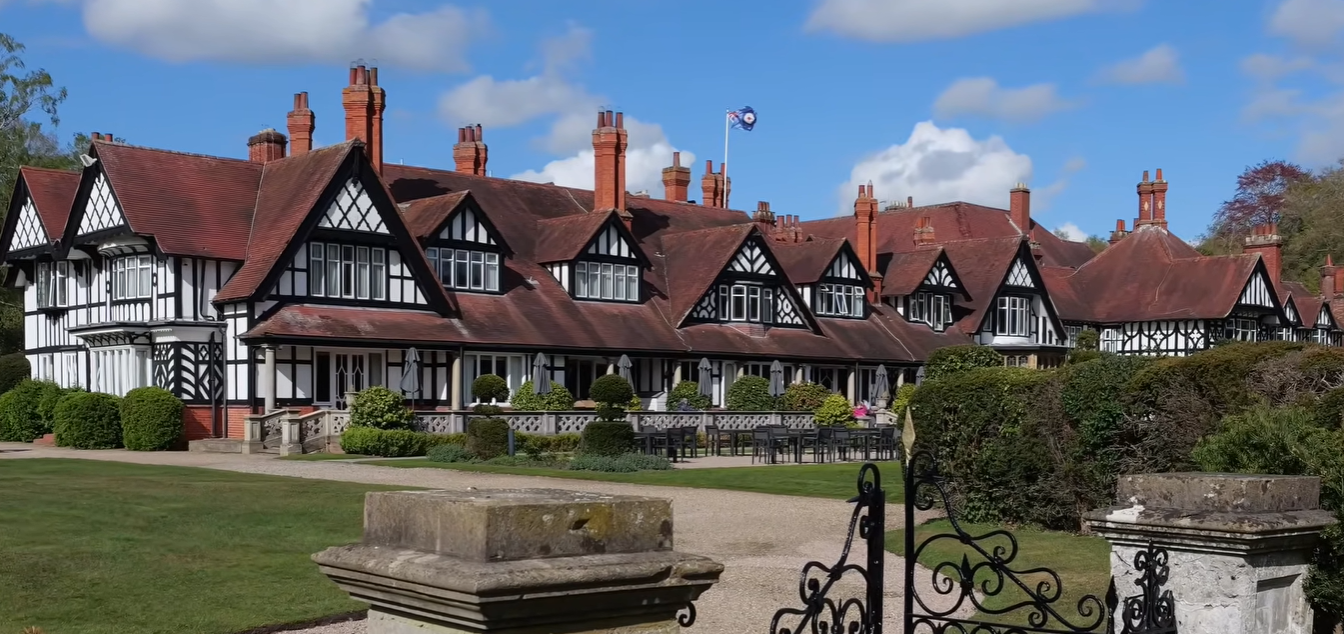
A Visit to the Petwood Hotel, Woodhall Spa
This reflection came into sharp focus because of where I was standing: the Petwood Hotel in Woodhall Spa.
At first glance it is a splendid hotel in its own right, but it carries a very particular significance. During the war, it served as the officers' mess for 617 Squadron, the famous Dambusters Squadron.
Even today, the connection is clear. Flying above the building is the RAF flag, and inside there is a remarkable sense of continuity with the past.
The hotel itself is now a regular hotel, but one part of it has been preserved in a way that makes the history feel very immediate indeed: the squadron bar.
The Dambusters Bar: A Living Memorial
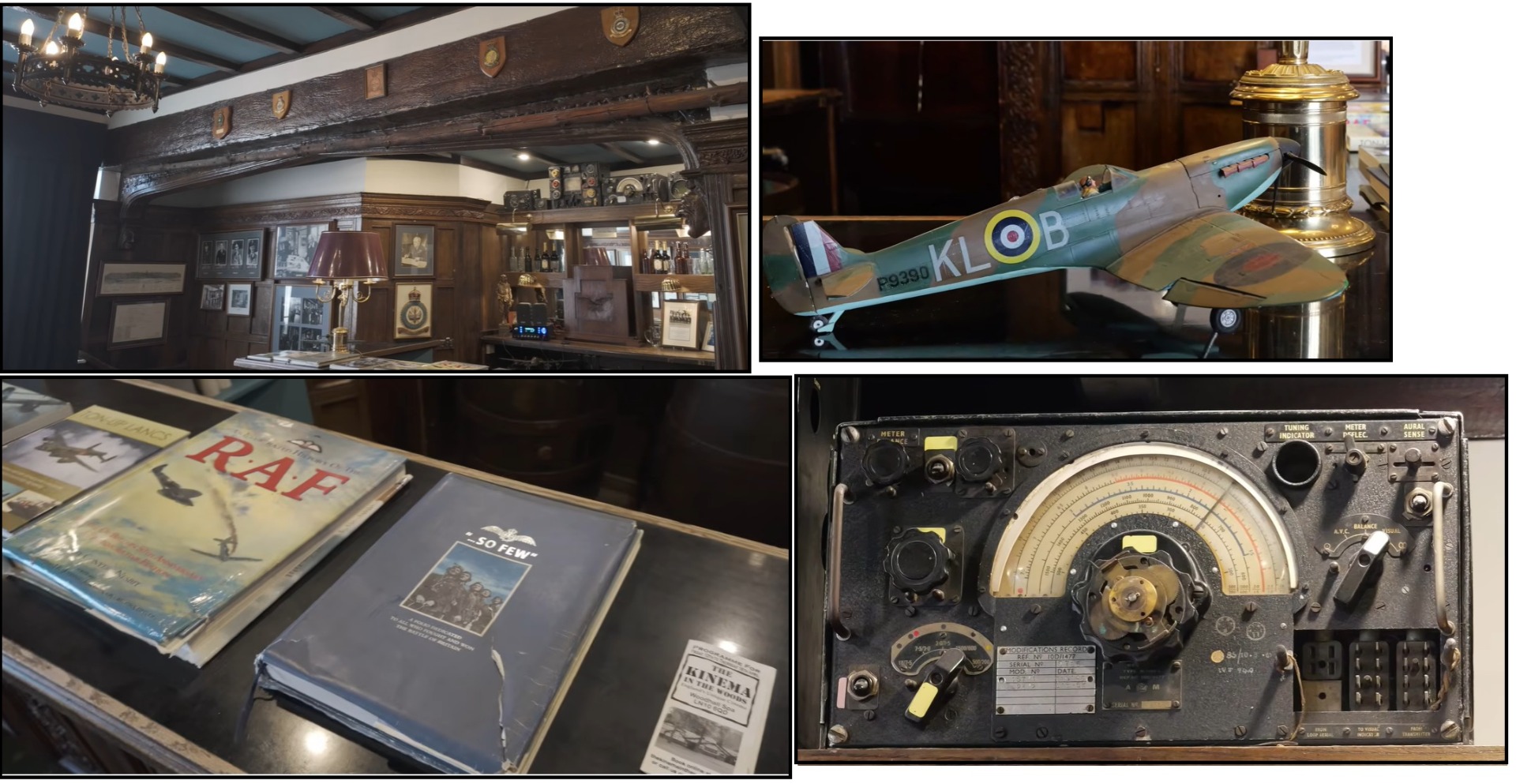
The bar at the Petwood Hotel is not just decorated in an RAF style. It has been preserved as a genuine dedication to the men of 617 Squadron, especially those who did not return.
It is filled with memorabilia that immediately connects radio, aviation, and wartime service.
Among the items on display are:
- Models of RAF aircraft, including a Spitfire on the bar
- Books and memorabilia related to the RAF
- Photographs of aircraft and personnel
- Images of Guy Gibson, who led the Dambusters raid and later lost his life flying a Mosquito
- Cabinets of wartime artefacts, including instrumentation, helmets, meters, and indicators from aircraft panels
- A commemorative plaque marking 617 Squadron's presence at the Petwood as the officers' mess
And for anyone with an interest in radio, there is another detail that stands out immediately.
The R1155 and T1154: Familiar Names With a Deeper Meaning
On an upper shelf in the bar sit an R1155 receiver and a T1154 transmitter, along with associated equipment.
For many radio amateurs of a certain generation, those names are instantly recognisable. The R1155 in particular became almost iconic in post-war amateur radio circles. Sets like these found their way into shacks all over Britain after the war, and they introduced countless enthusiasts to real radio operating.
Seeing one in this setting changes the perspective slightly.
It is one thing to remember the R1155 as the old surplus receiver that got you listening around the bands. It is quite another to see it in the context of RAF service, surrounded by the history of the crews who would have relied on this sort of equipment in combat operations.
That connection between amateur radio and wartime history is easy to overlook when all you remember is trying to keep the thing stable long enough to copy a signal.
Old Equipment, New Respect
I still enjoy looking at these old sets. In fact, I am seriously tempted to get an R1155 restored properly again. I believe the one I have in mind is complete. What it needs now is someone with the experience, patience, and eyesight to replace the necessary components and bring it back into good order.
That says something in itself. These sets may be old and awkward compared with modern equipment, but they still command respect. They are not just curiosities. They are pieces of engineering history, and in many cases, pieces of personal and national history as well.
For those of us who used them in our younger days, there is nostalgia, certainly. But there should also be gratitude.
The Story of the Tree Branch Above the Bar
One of the most striking objects in the Dambusters bar is not a radio at all. It is a tree branch suspended above the bar, and it has a story attached to it that captures the atmosphere of the place perfectly.
During the latter part of 1944, a Lancaster of 617 Squadron, piloted by Captain Nicky Neillands, DSO, DFC, USA, was on its way via northern Russia for the Tirpitz operation. The aircraft had to land in a field to refuel before continuing to Yagodnik.
On take-off, the spark plugs fouled, the engines were sluggish, and the aircraft brushed the tops of the trees. One branch cut through the nose and into the cockpit, missing Neillands by the narrowest of margins.
When the crew returned to the Petwood, that branch was placed above the bar to commemorate their lucky escape. The result, by all accounts, was drinks all round.
It is still there today.
That branch is a perfect example of why places like this matter. It is not polished museum history standing at a distance. It is immediate, human, and personal.
Why This Matters to Radio Amateurs
For radio amateurs, especially those who came into the hobby through war surplus equipment, places like the Petwood Hotel provide valuable perspective.
It is easy to remember the practical side of old military sets:
- They were cheap
- They were plentiful
- They taught us how to build, adapt, and repair
- They got us on the air when little else could
But behind every one of those points is another truth:
- These sets were built for war
- They were part of real operations
- They were used by people under extraordinary pressure
- Some of those people never came home
That does not mean we should feel uncomfortable about having used surplus gear. Quite the opposite. We were fortunate to have it, and many radio amateurs learned their craft because of it. But perhaps we should remember that these were not just cheap old radios. They were artefacts of service and sacrifice.
A Place Worth Visiting in Lincolnshire
If you are ever in Lincolnshire, Woodhall Spa is well worth the detour. The Petwood Hotel is not merely somewhere to stop for a drink or a meal, though you can certainly do both in the bar itself. It is a place where history is still present in the room.
To sit among the photographs, the aircraft models, the wartime instruments, and the radio equipment is to be reminded that the technology we admire often has a much bigger story attached to it.
The Dambusters bar is especially moving because it does not feel staged. It feels remembered.
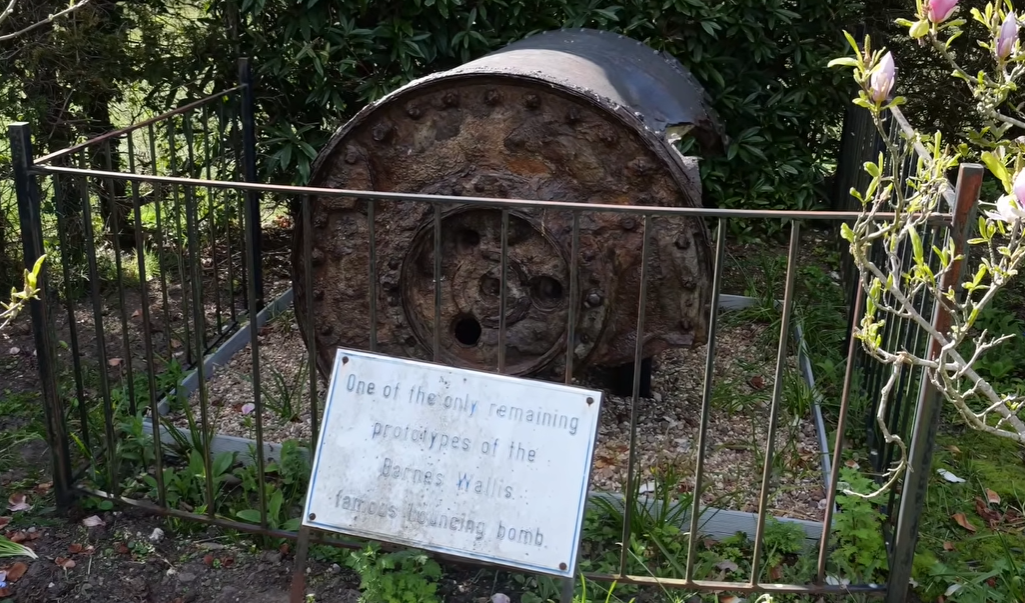
Let Us Not Forget
Older amateurs often look back affectionately on the age of war surplus gear, and rightly so. Those sets opened doors for us. They educated us, frustrated us, and gave us our start in radio.
But perhaps, when we think of an R1155 or similar wartime receiver, we should remember a little more than drift, awkward power supplies, and modest performance. We should remember where it came from and what it may have meant before it ever reached amateur hands.
That thought had not fully landed with me in my younger days. It has now.
And for that reason alone, Woodhall Spa and the Petwood Hotel are worth remembering.
For more information please visit our online store or alternatively contact us and our team will be happy to assist you.
Credits: Peter Waters - G3 OJV