
VIDEO:

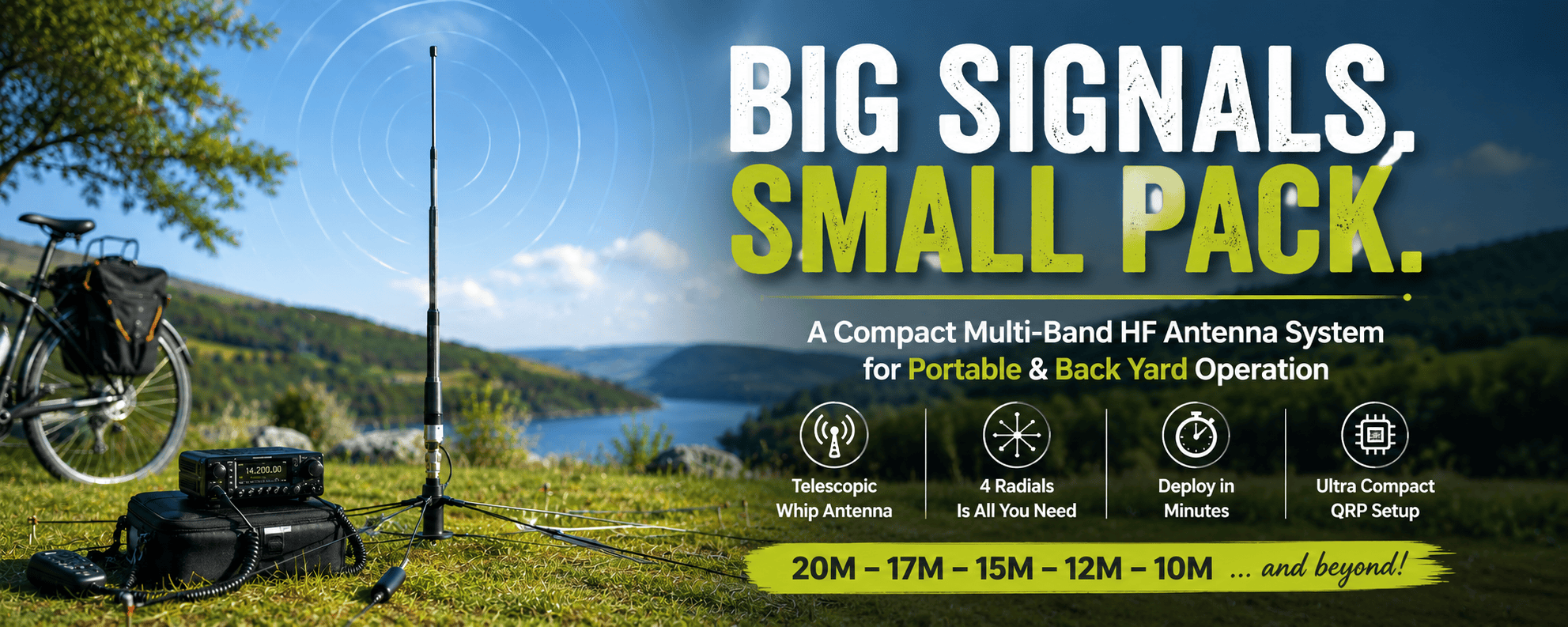
Small gardens and portable radio operation present much the same challenge: how do you get an efficient HF antenna on the air without carrying a great deal of equipment or upsetting the neighbours?
A compact station that can travel in a bicycle bag is a particularly worthwhile target. It needs to be light, quick to deploy and genuinely effective. There is little point in carrying a portable station if the antenna is so compromised that most of the power is lost before it ever gets radiated.
This setup is built around a resonant telescopic whip, a small radial system and an ultra-compact QRP transceiver. It covers 20 metres through to 10 metres with a simple adjustment of the whip, and it can be installed in just a few minutes.
Why Start With 20 Metres?
Forty metres is a wonderful band and remains a favourite for many operators, but producing an effective portable antenna for it requires more wire, more space and more effort. For a lightweight bicycle-portable system, 20 metres is a very sensible starting point.
The 20 metre band is generally open for much of the day, although conditions naturally vary. It also allows a practical antenna size. A vertical element around 5 metres long, or just over, provides resonance in the 20 metre band when used with ground radials.
Once the basic station is working on 20 metres, the same telescopic whip can be shortened for the higher HF bands. That gives useful coverage on:
- 20 metres
- 17 metres
- 15 metres
- 12 metres
- 10 metres
- Potentially 6 metres, depending on the whip and installation
The result is a properly compact multi-band antenna system rather than a collection of separate aerials.
A Telescopic Whip With Full-Size Performance
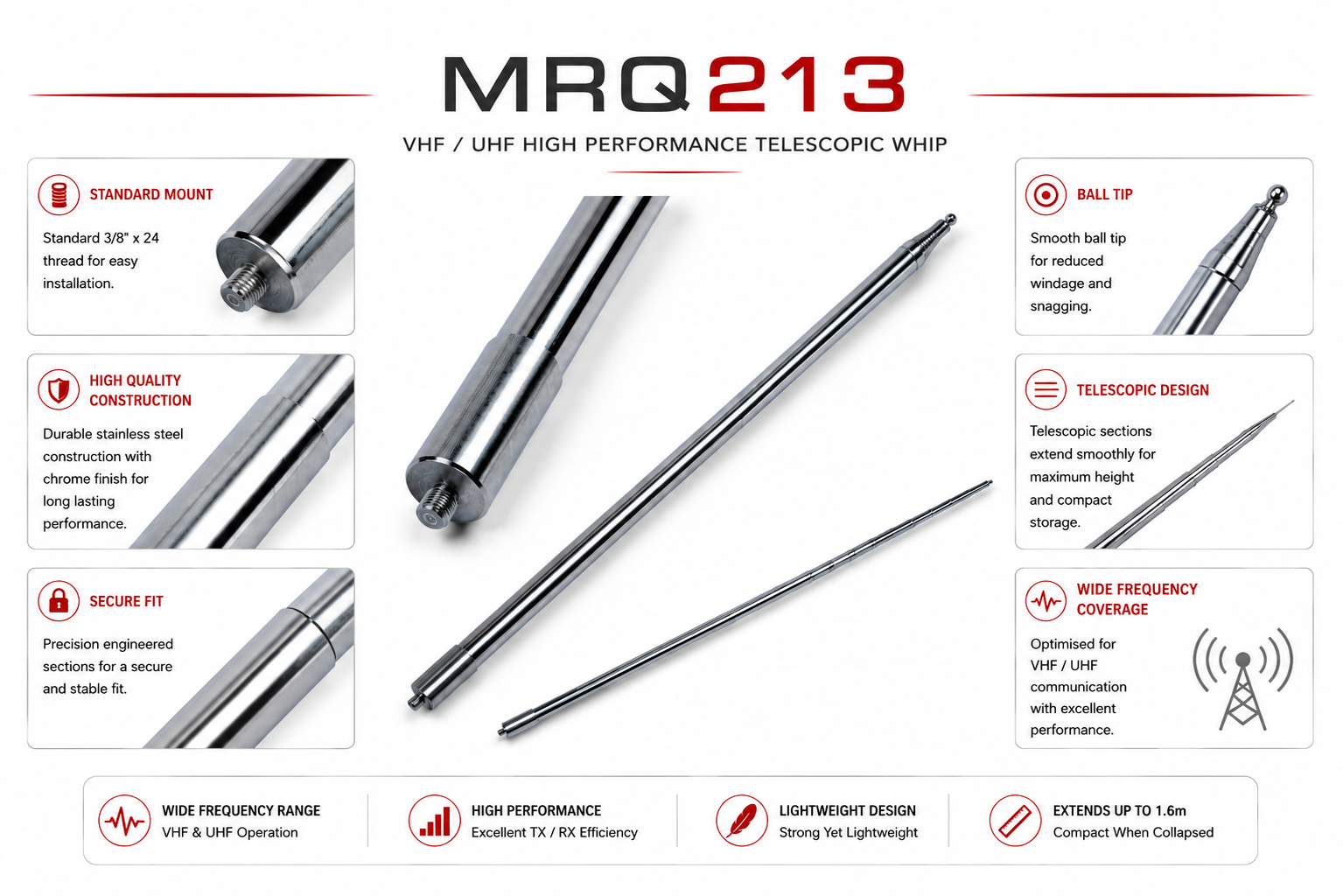
The heart of the system is a long telescopic whip. For 20 metres, choose one that extends to at least 5 metres. When collapsed, these whips are typically around 70 cm long, so they fit neatly into a rucksack, pannier or saddle bag, perhaps with the top protruding slightly.
That compactness is the obvious advantage, but the more important benefit is what happens when the whip is extended. On the selected band, it behaves as a full-size quarter-wave vertical rather than a heavily loaded short whip.
That matters for two reasons:
- Better efficiency: A full-size resonant vertical can offer a few dB advantage over a much shorter loaded antenna, depending on what it is being compared with.
- Useful bandwidth: A full-size antenna generally provides enough bandwidth to cover most or all of a band without constant retuning. Ten metres may be the exception, but the whip can easily be adjusted to move the resonant point.
Simply extend or collapse sections to place the resonant frequency where you want it. This is much more practical than carrying a large tuning unit, loading coils and a selection of extra wires.
There is, of course, a compromise. A telescopic whip is not as robust as a fibreglass pole with a wire aerial. Still, a long fibreglass pole is not something most people want protruding from the back of a bicycle bag. For genuine portable use, the telescopic whip is an excellent balance of size, speed and performance.
Forget the Bicycle-Mounted Whip
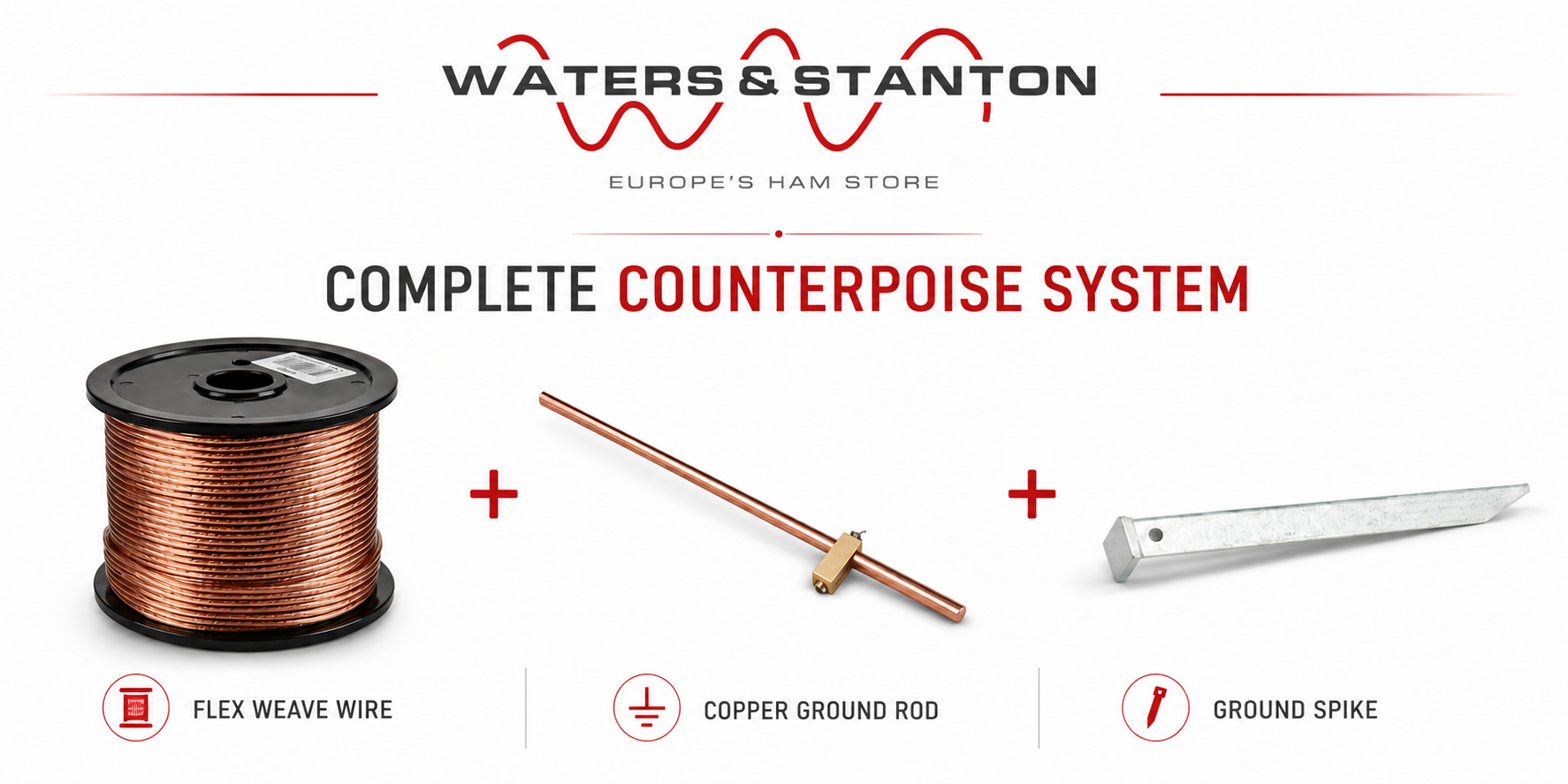
It is possible to mount a whip directly on a bicycle, but that does not necessarily make it the best portable solution. HF verticals need a counterpoise (Flexweave Wire, Ground Rod, Spike) or radial system, and operating while actually cycling is not the realistic objective.
It is far more effective to ride to a suitable location, stop, push a spike into the ground, deploy the radials and operate from a proper resonant antenna. You lose the instant convenience of transmitting the moment you get off the bike, but you gain a much better station.
For portable QRP work, antenna efficiency is especially important. Keeping weight low is essential, but sacrificing too much efficiency simply means weaker signals at both ends of the path.
The Radial System: Four Wires Can Be Enough
A vertical whip needs radials on the ground to work efficiently. An initial arrangement using eight radials, each around 3 to 4 metres long, gives a very respectable ground system. However, practical testing showed that four radials work very well and significantly reduce the amount of wire that needs to be carried.
Four radials are a very sensible compromise for this lightweight station. They can be rolled up compactly and deployed around the base of the antenna in different directions.
Moonraker Coax Solutions:
-
 M&P - Airborne 10 CoaxAs low as £3.15
 -
 M&P - Ultraflex 10C Sahara CoaxAs low as £3.50
 -
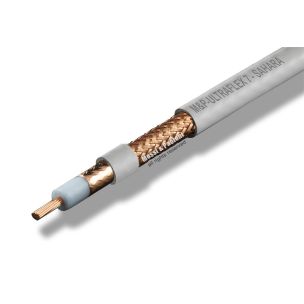 M&P - Ultraflex 7 Sahara CoaxAs low as £2.30
 -
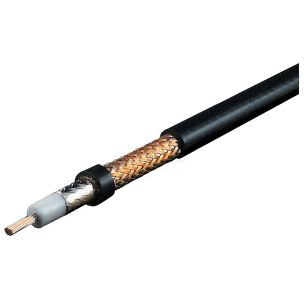 M&P - Extraflex Bury 7 CoaxAs low as £2.30
 -
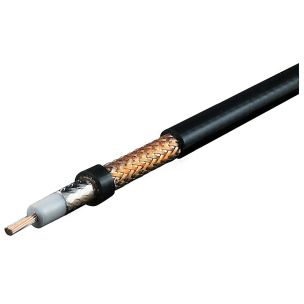 M&P - Ultraflex 7 CoaxAs low as £2.30
 -
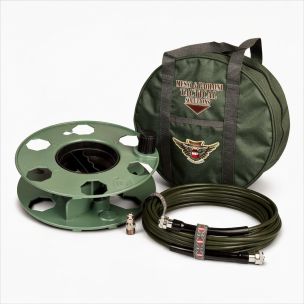 M&P STEALTH-FLEX7-50F (15m) Bundle (Stealth)Special Price £129.95 Regular Price £149.95
 -
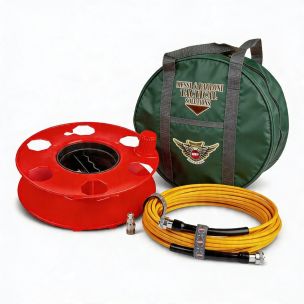 M&P POTA-FLEX7-50F (15m) Bundle (Green Bag)Special Price £129.95 Regular Price £149.95
 -
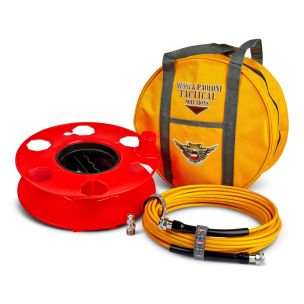 M&P POTA-FLEX7-50F (15m) Bundle (Yellow Bag)Special Price £129.95 Regular Price £149.95
 -
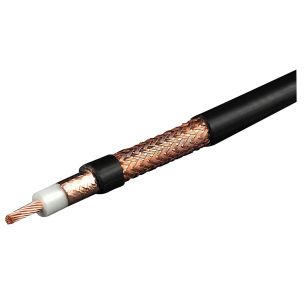 M&P - Extraflex Bury 10C CoaxAs low as £3.60
 -
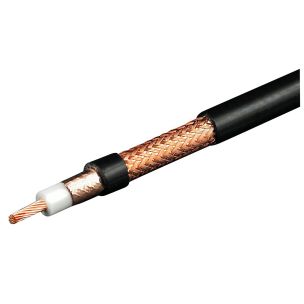 M&P - Ultraflex 10C (Competition) CoaxAs low as £3.50
 -
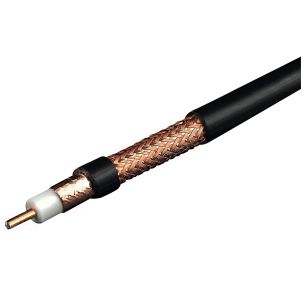 M&P - Broad-Pro 50c CoaxAs low as £4.25
 -
 M&P - POTA-FLEX 7 CableAs low as £4.50
 -
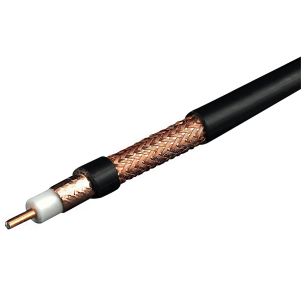 M&P - Hyperflex 5 CoaxAs low as £1.80
 -
 M&P - Airborne 5 CoaxAs low as £1.35
 -
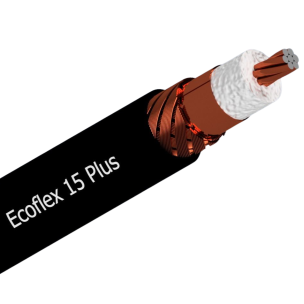 SSB - Ecoflex 15 PLus (Low Loss Coax) (15mm)As low as £10.95
 -
 SSB - Ecoflex 15 (Low Loss Coax) (15mm)As low as £8.95
 -
 SSB - Ecoflex 10 (Low Loss Coax) (10mm)As low as £5.25
 -
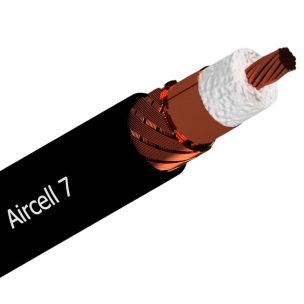 SSB - Aircell 7 (Low Loss Coax) (7mm)As low as £3.95
 -
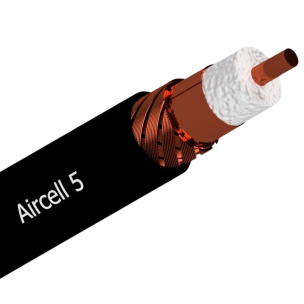 SSB - Aircell 5 (Low Loss Coax) (5mm)As low as £2.75
 -
 FZ400CU (LMR400) Super Low Loss CoaxAs low as £2.25
 -
 RG174 Mil Spec (50 Ohm) Super Thin CoaxAs low as £0.50
 -
 Mini8 Mil Spec (50 OHM) CoaxAs low as £0.90
 -
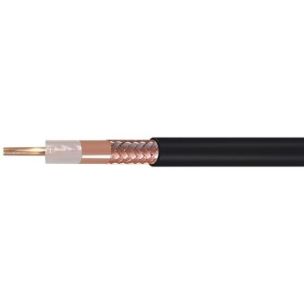 Formula Zero Mil Spec (50 OHM) CoaxAs low as £2.00
 -
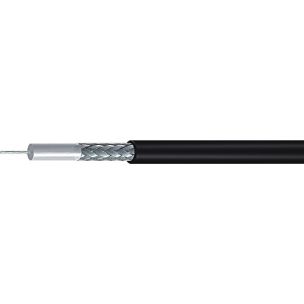 RG58 Mil Spec (50 OHM) CoaxAs low as £0.60
 -
 RG58 Standard (50 OHM) CoaxAs low as £0.45
 -
 RG213 Mil Spec (50 OHM) CoaxAs low as £1.75
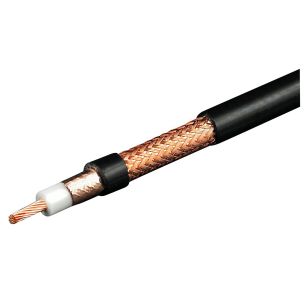

Choose from a wide variety of coax solutions at Moonraker!
A Simple Quick-Disconnect Radial Harness
The radial system can be made particularly convenient by joining the wires to a single alligator clip. Use a short piece of tinned copper wire with a terminal at one end, then solder each radial wire onto it. Trim the excess tinned wire, secure the terminal to the alligator clip and refit the clip cover.
The completed radial harness can then be clipped onto the antenna base in seconds and removed just as quickly when packing up.
One important item should not be omitted: fit a line isolator at the feedpoint. It helps the antenna tune properly and prevents the coax from becoming an unwanted part of the radiating system.
Mounting the Portable Vertical
The simplest mounting arrangement uses a ground spike that screws into the bottom of an antenna mount. The telescopic whip screws into the top, while the coax connects to an SO239 socket on the side or underside of the mount.
These mounts are widely available, but thread compatibility is important. The two common options are:
- 3/8-inch 24-thread fittings
- M10, or 10 mm, threaded fittings
They are not interchangeable, so always confirm the thread on both the whip and mount before ordering. Once the correct parts are together, the installation could hardly be simpler: spike in the ground, mount on the spike, whip on the mount, radials clipped on, coax connected.
Moonraker Selection of Antenna Matching Unit:
-
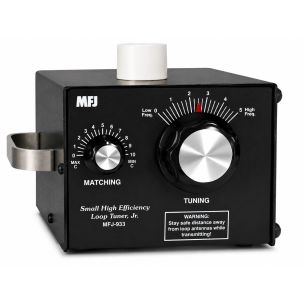 MFJ-933 5.3-29.7MHz LOOP TUNERSpecial Price £227.96 Regular Price £284.95
 -
 CG-3000 Automatic Antenna TunerSpecial Price £239.95 Regular Price £249.95
 -
 YAESU FC-90 Antenna Tuner For FTX-1 (Plus £45 Cashback From Yaesu UK)Special Price £225.00 Regular Price £279.95
 -
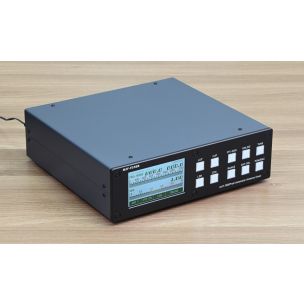 mAT 1500PROII High Power Automatic Antenna TunerSpecial Price £649.95 Regular Price £699.95
 -
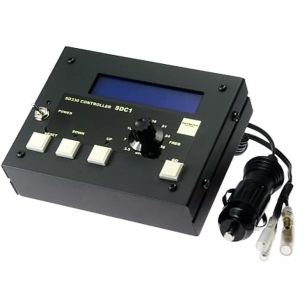 DIAMOND SDC-1 SDC-1 Tuning control for SD330 antennaSpecial Price £199.95 Regular Price £249.95
 -
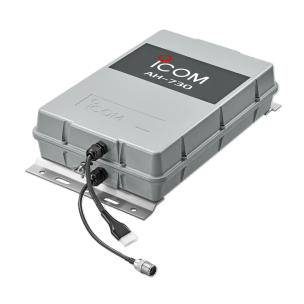 Icom AH-730 - Automatic Antenna TunerSpecial Price £499.95 Regular Price £549.95
 -
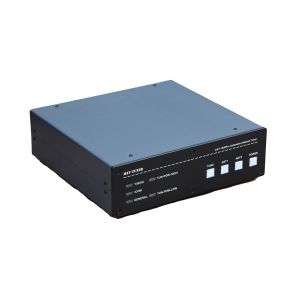 mAT-1500Pro - High Power Automatic Antenna Tuner - Upgraded VersionSpecial Price £499.95 Regular Price £549.95
 -
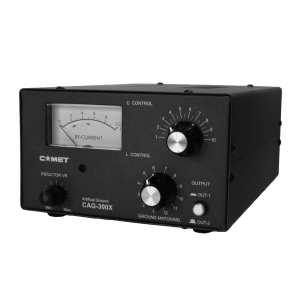 Comet CAG-300X - Artificial RF GroundSpecial Price £199.95 Regular Price £219.95
 -
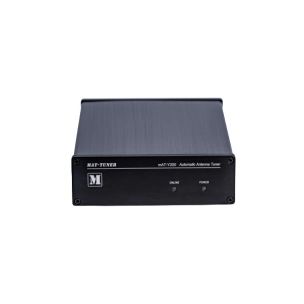 mAT-Y200 - Automatic Tuner (For Use with Yaesu)Special Price £209.95 Regular Price £229.99
 -
 mAT-M200 - Automatic Antenna Tuner (ICOM)Special Price £199.95 Regular Price £229.95
 -
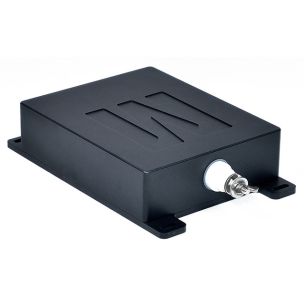 mAT-40 Automatic Antenna TunerSpecial Price £219.95 Regular Price £249.95
 -
 mAT-705 Plus Automatic Tuner (Designed for ICOM IC-705)Special Price £169.95 Regular Price £179.95
 -
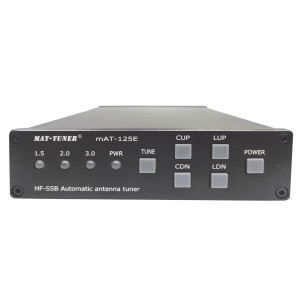 mAT-125E General Automatic Antenna TunerSpecial Price £119.95 Regular Price £129.95
 -
 mAT-180H Automatic (Tuner For use with ICOM)Special Price £139.95 Regular Price £149.99
 -
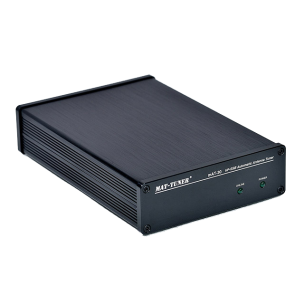 mAT-30 Automatic Tuner (For use with Yaesu)Special Price £124.95 Regular Price £139.95
 -
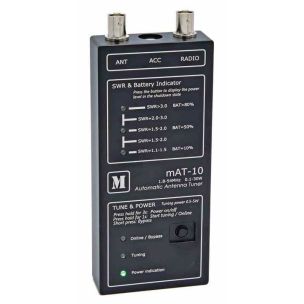 mAT-10 Automatic Tuner For QRP TransceiversSpecial Price £169.95 Regular Price £179.99
 -
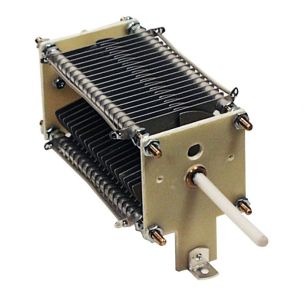 MFJ-19 - Buttery loopAirVarCap, 12-67pf, 4.2KVSpecial Price £71.96 Regular Price £89.95
 -
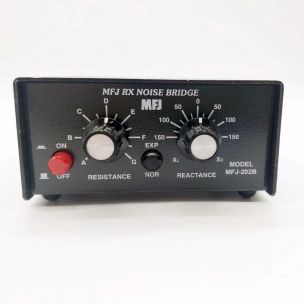 MFJ-202B - RX Noise BridgeSpecial Price £115.96 Regular Price £144.95
 -
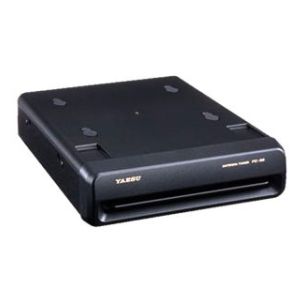 Yaesu FC-50 - Auto Antenna TunerSpecial Price £235.00 Regular Price £239.99
 -
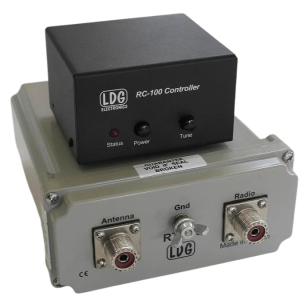 LDG RT/RC-100 - Coax In/Coax Out Remote Tuner (100 Watt)Special Price £309.95 Regular Price £319.95
 -
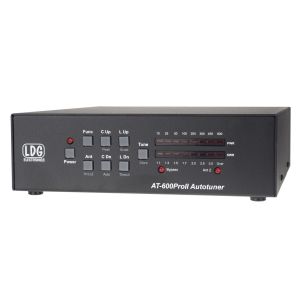 LDG AT-600 PROII - Automatic Antenna TunerSpecial Price £429.95 Regular Price £449.95
 -
 LDG Z-11 PRO II - Automatic Antenna TunerSpecial Price £229.95 Regular Price £249.95
 -
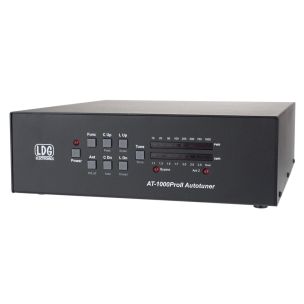 LDG AT-1000 PRO II - Automatic Antenna TunerSpecial Price £579.95 Regular Price £599.95
 -
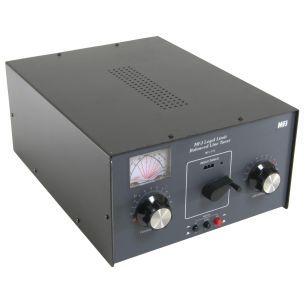 MFJ-976 - Balanced Line TunerSpecial Price £559.96 Regular Price £699.95

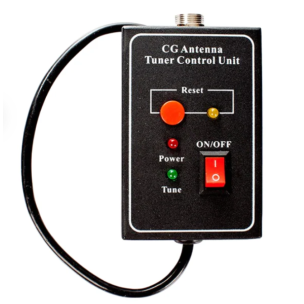

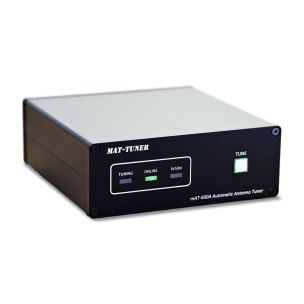
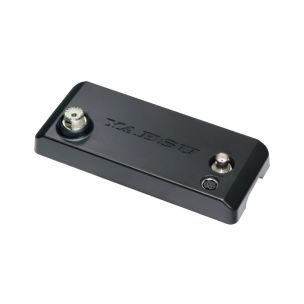
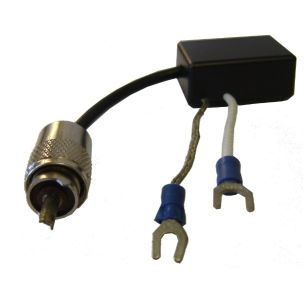

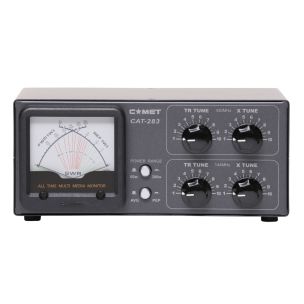

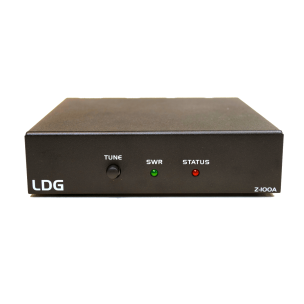
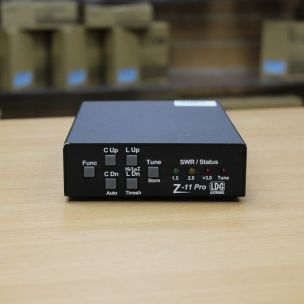
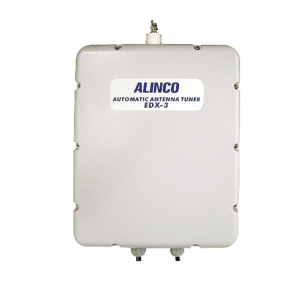
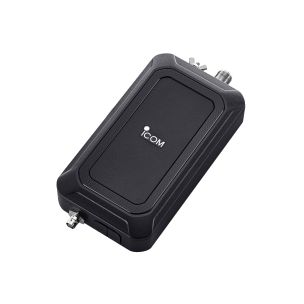
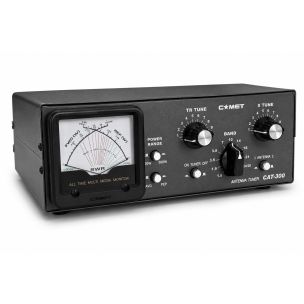
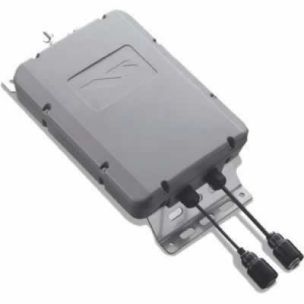
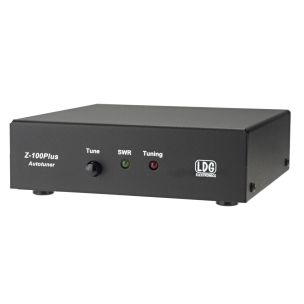

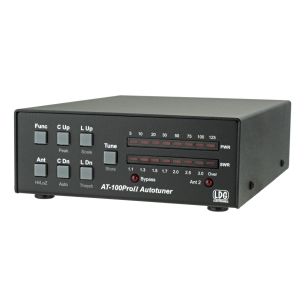
Choose from a wide range of Antenna Matching Units
A Resonant Antenna Means No Matching Unit
One of the greatest strengths of this design is that it is resonant. That means there is no need to carry an antenna matching unit.
For a lightweight portable station, that is a major advantage. Removing the tuner means:
- Less equipment to carry
- Less complexity when setting up
- No matching-unit insertion losses
- A direct path from the transceiver, through coax, to the antenna
A check of the 20 metre VSWR produces a healthy curve with a clear resonant dip. This is exactly what is wanted from a simple portable vertical.
The Ultra-Compact QRP Station
The antenna is only part of the portable package. A small and efficient transceiver makes the whole idea work. The QRP Labs QMX is particularly well suited to this type of operation.
This tiny transceiver delivers approximately 4 to 5 watts on CW from 40 metres through to 15 metres. On SSB, it uses controlled-envelope SSB, often called CESSB. Although its peak output is around 5 watts, the controlled-envelope technique gives an apparent loudness advantage of roughly 3 dB, making it sound more like a 10 watt transmission.
This is not ordinary speech compression. Controlled-envelope SSB is designed to provide a genuine increase in average talk power while retaining low distortion.
Why the QMX Is So Suitable for Portable Use
The QMX uses polar modulation, a Class D approach that is extremely efficient. Conventional transmitters may operate at around 50 to 60 percent efficiency, whereas this design can be close to 90 percent efficient.
On SSB, it draws significant current principally while speech is present. It is also exceptionally economical on receive. Those characteristics make a small battery surprisingly capable.
A 2.8 Ah aircraft battery producing around 11 to 12 volts can run the station for most of a day under practical operating conditions. It is important not to exceed 12 volts with the QMX, and its menu includes an over-voltage protection setting.
The complete operating station consists of only a few small items:
- QMX QRP transceiver
- 11 to 12 volt battery
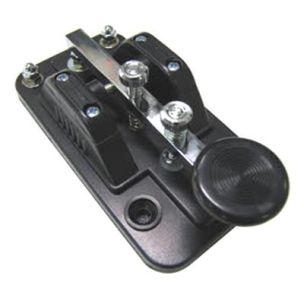
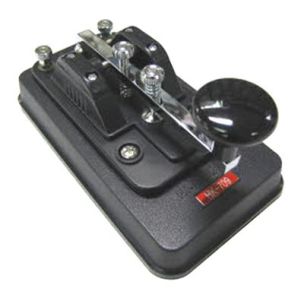
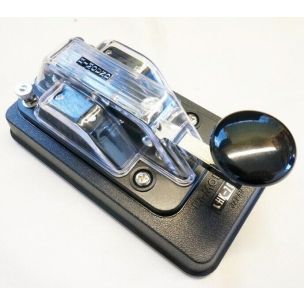
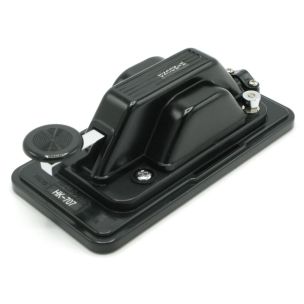
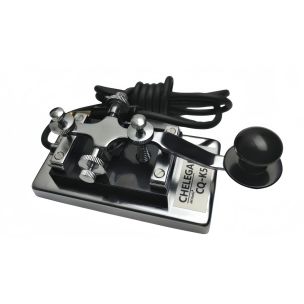
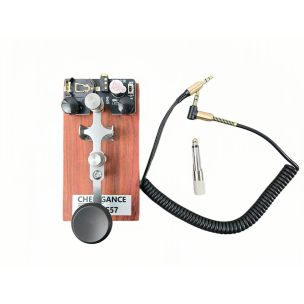
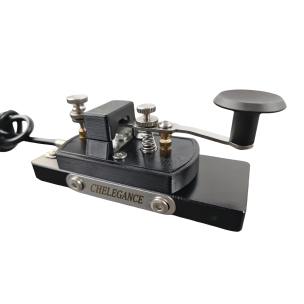
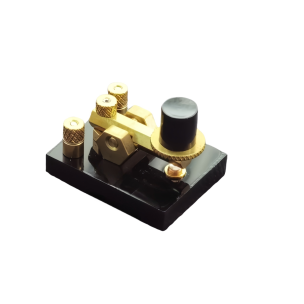
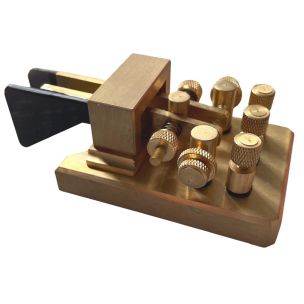
- Paddle key for CW operation
- Lightweight earbuds or headphones
- Coaxial cable to the vertical antenna
The paddle key is arguably the largest item in the radio station itself. The QMX has no internal loudspeaker, though it can drive an external speaker if necessary. Earbuds are the better choice for portable work because they are light, compact and work extremely well.
The QMX is available directly from QRP Labs, either as a kit or ready-built unit. Ready-built versions can involve a waiting list because the radio is very popular.
Moonraker Selection of Paddle Keys:
-
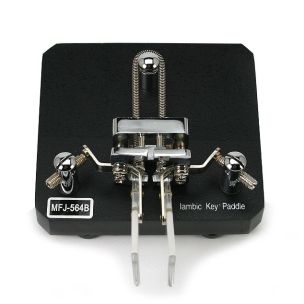 MFJ-564B* - Deluxe Iambic Black paddlesSpecial Price £131.96 Regular Price £164.95
 -
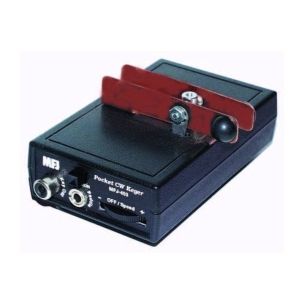 MFJ-403P - Travel Iambic Keyer / Mimi Paddle ComboSpecial Price £79.99 Regular Price £99.99
 -
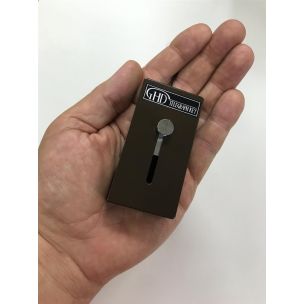 GHD GM702 Travel Paddle keySpecial Price £150.00 Regular Price £179.95
 -
 HI-MOUND TC-701 - Morse Key (With Built In Oscillator)Special Price £44.95 Regular Price £49.95
 -
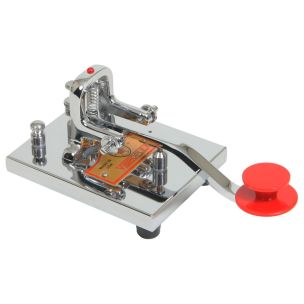 VIBROPLEX VP HK DLX - Straight Key Deluxe ChromeSpecial Price £209.95 Regular Price £249.95
 -
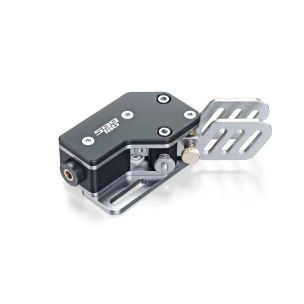 CW-500U Universal Iambic paddle key for all TX-500 modelsSpecial Price £149.95 Regular Price £169.95
 -
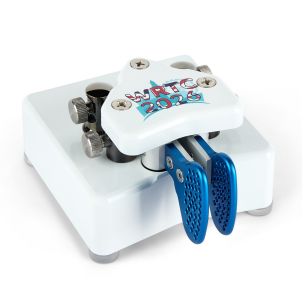 WRTC UK Special Paddle Key£399.95
 -
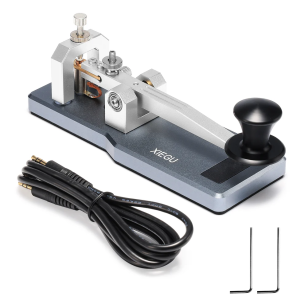 XIEGU VK-5 CW Straight Key£44.95
 -
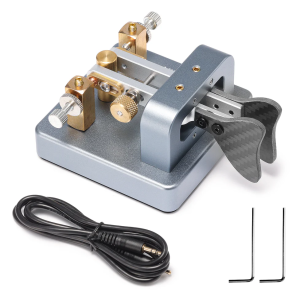 XIEGU VK-6 CW Iambic PaddleSpecial Price £44.95 Regular Price £49.95

Choose from a range of paddle keys at Moonraker
Changing Bands With the Telescopic Whip
Moving from 20 metres to higher bands is simply a matter of shortening the whip. The easiest way to make this repeatable is to count sections and keep a small note of the correct settings.
For example, with this particular whip, extending every section gives resonance at around 13.6 MHz. Closing one section brings it into resonance on 20 metres. From there, further shortened settings can be recorded for 17 metres, 15 metres and the higher bands.
A small piece of paper with the band settings avoids guesswork in the field. It turns one telescopic whip into a practical five-band antenna covering 20 metres to 10 metres.
Portable Results and DX Potential
A portable antenna must prove itself on the air, and this arrangement performs impressively. Reverse Beacon Network reports are particularly useful when evaluating a new antenna. A few CQ calls can quickly show where the signal is being heard and how strong it is.
Evening operation on 20 metres produced reports from the United States, which is an encouraging result for such a compact QRP station. Regular use in a back garden also showed that the antenna can produce very good results.
Of course, propagation remains the deciding factor in DX work. But when conditions are right, a resonant 5 metre vertical with a decent radial system and a well-designed 5 watt radio can provide excellent enjoyment and genuine DX opportunities.
A Compact HF Station for Small Gardens and Bicycle Portable Operation
This is a very practical answer to the problem of operating HF where space is limited or where the station needs to travel with you. The telescopic vertical packs down to a small size, deploys rapidly and avoids the inefficiency of a severely shortened whip.
With four ground radials, a line isolator, a compact ground spike mount and a lightweight QRP transceiver, the entire station fits easily into a bag. It is ideal for a small garden, a local hilltop, a park or a bicycle outing.
The essential idea is straightforward: use a resonant full-size vertical for the band, keep the radial system simple, eliminate the tuner and pair it with a genuinely efficient low-power radio. It is a small station, but it is fully capable of delivering plenty of ham radio enjoyment.
