
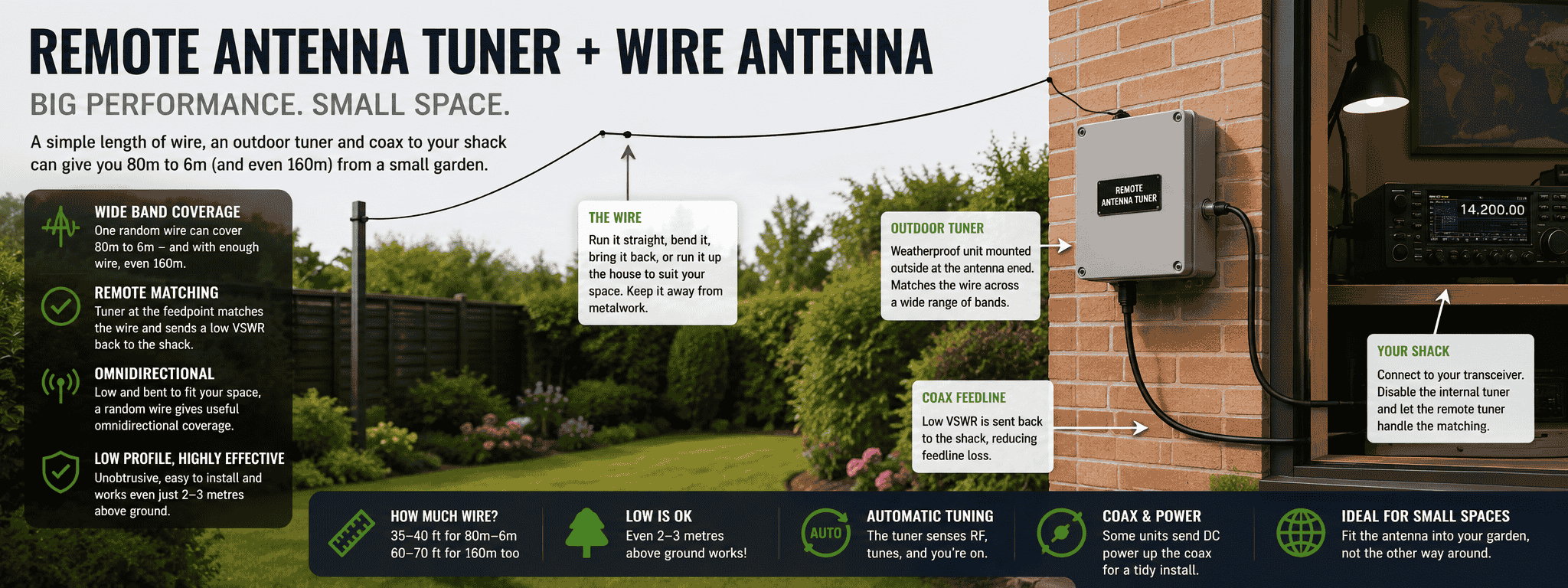

Small gardens and back yards make antenna planning awkward. That is simply the reality for many amateurs now. But there is a very practical arrangement that can work remarkably well in limited space, and it is one that deserves more attention: a remote antenna tuner, mounted outside, feeding a simple length of wire.
Done properly, this can give you an unobtrusive antenna system that covers an enormous range of bands. In many cases, it can get you from 80 metres through to 6 metres, and with enough wire, even 160 metres becomes possible. In a small garden, that is quite something.
The basic idea
The arrangement is straightforward.
- Run a length of wire out into the garden.
- Connect that wire to a weatherproof external antenna matching unit.
- Feed the tuner back to the shack using coax.
- Let the external unit do all the matching.
The tuner sits at the antenna end, not beside the transceiver. That is the important part. It matches the wire at the feedpoint and then presents a low VSWR back to the coax cable, which means the transceiver sees a much friendlier load.
If your radio has an internal automatic tuner, switch it off. Do not leave it trying to second guess what the outdoor tuner is already doing. Let the remote matching unit handle the job on its own.
Why this works so well in a small garden
A conventional end-fed half-wave works nicely on the bands where the wire length suits it. That is its strength, but also its limitation.
For example, if you put out about 20 metres of wire, you may have something that behaves well on 40, 20, 15 and 10 metres. But you are unlikely to get much joy on 17 or 12 metres, and 80 metres is effectively out of the question.
A remote antenna tuner changes the game. Because the tuner is matching a random wire at the antenna end, you are no longer tied to only the obvious harmonic bands. That same length of wire can potentially be used on:
- 40 metres
- 30 metres
- 20 metres
- 17 metres
- 15 metres
- 12 metres
- 10 metres
- 80 metres
And if you can get enough wire into the space, perhaps by bending it around the garden, even 160 metres may be possible.
That is the hidden advantage here. You are not just making a small antenna fit. You are opening up bands that a simple end-fed arrangement might never cover properly in the same space.
How much wire do you need?
The longer the wire, the better, generally speaking.
If you want coverage from 80 metres to 6 metres, a wire of around 35 to 40 feet can be enough for many of these tuners.
If you want to include 160 metres, most remote matching units need something more like 60 to 70 feet of wire before they will tune successfully across the whole range.
That sounds impossible in a small back yard until you remember that the wire does not need to run in a perfectly straight line.
You do not need a straight run
This is one of the great strengths of the idea. The wire can be routed to suit the space you actually have.
You can:
- Run it straight down the garden
- Bend it at a right angle near the end
- Bring it back on itself
- Take it up the side of the house
- Run it to a mast and drop it as an inverted V
In other words, fit the wire into the garden rather than trying to redesign the garden around the antenna.
The one important rule is to keep it away from metalwork as much as possible. Avoid close proximity to gutters, fencing, railings, and other conductive structures.
Low height is still usable
Many people dismiss wire antennas because they assume they must be high in the air to work at all. Of course, higher is generally better, but do not let a lack of height stop you.
A wire only 2 to 3 metres above ground will still radiate. It may not perform like a lofty installation, but it will work.
For small gardens, that matters. If the antenna can only go along a fence line, a wall, or a modest support, it is still worth doing.
What sort of pattern should you expect?
With a random wire that is fairly low and bent around to suit the garden, the radiation pattern is generally going to be omnidirectional.
That is actually good news in many cases. You are not trying to create a precision directional system here. You are trying to get a practical, all-band, low-profile antenna into a difficult space. A broadly omnidirectional result is perfectly useful for everyday HF operating.
Our Antenna Tuners Collection:
-
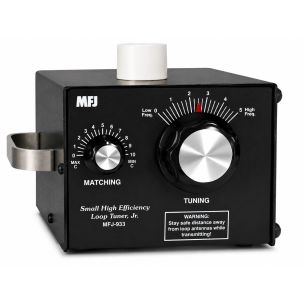 MFJ-933 5.3-29.7MHz LOOP TUNER£284.95
 -
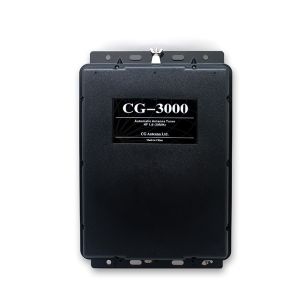 CG-3000 Automatic Antenna TunerSpecial Price £239.95 Regular Price £249.95
 -
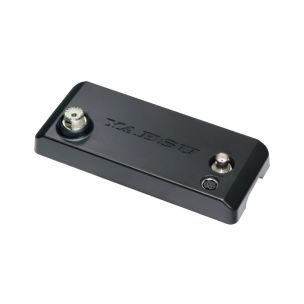
 YAESU FC-90 Antenna Tuner For FTX-1 (Plus £45 Cashback From Yaesu UK)Special Price £225.00 Regular Price £279.95
 -
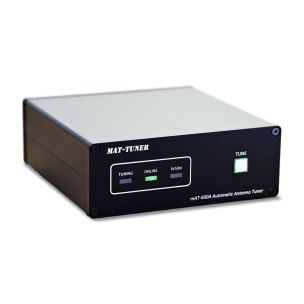
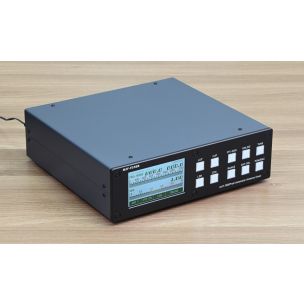 mAT 1500PROII High Power Automatic Antenna TunerSpecial Price £649.95 Regular Price £699.95
 -
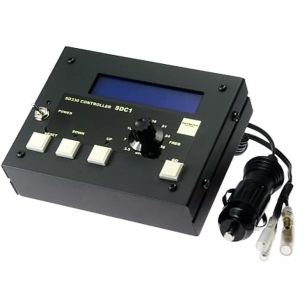 DIAMOND SDC-1 SDC-1 Tuning control for SD330 antennaSpecial Price £199.95 Regular Price £249.95
 -
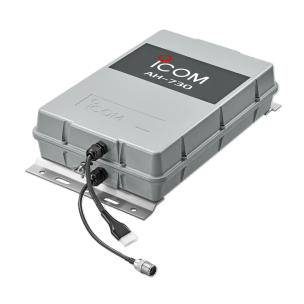 Icom AH-730 - Automatic Antenna TunerSpecial Price £499.95 Regular Price £549.95
 -
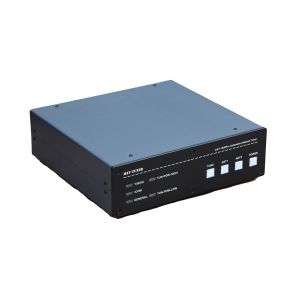 mAT-1500Pro - High Power Automatic Antenna Tuner - Upgraded VersionSpecial Price £499.95 Regular Price £549.95



Why a remote tuner helps coax losses
One of the less obvious advantages of this arrangement is what it does for the coax feedline.
All coax has some inherent loss, whether the match is good or not. But when the VSWR on the coax rises, the effective loss increases. That is wasted power you would rather not have.
Because the tuner is outdoors at the feedpoint, it matches the wire there and sends a very low VSWR back along the coax. The result is reduced mismatch loss in the feedline compared with a system where the coax is carrying a high SWR all the way back to the shack.
That is a genuine benefit, especially on a multiband installation using a simple wire antenna.
How the tuning happens
These tuners are automatic. In most cases, all they need is a small amount of RF to trigger the tuning cycle. They sense the RF, do the matching, and settle on a low VSWR.
That makes them very easy to live with in day-to-day use. Change band, transmit briefly, and the unit does its work.
Dedicated versus universal remote tuners
Remote matching units fall into two broad groups:
- Dedicated tuners for a particular brand or range of transceivers
- Universal tuners that can be used with almost any transceiver
The difference usually comes down to how control and DC power are handled.
Some Yaesu and Icom units, for example, are designed to work directly with matching transceivers using a dedicated control connection. Other tuners use a separate 12 V DC supply and can therefore be used with virtually any radio. Some designs even send DC power up the coax, which can make for a very tidy installation.
Installation practicalities
The most convenient mounting point for many people will be the side wall of the house. That gives you a solid fixing point and an anchor for one end of the antenna wire.
You could mount the tuner on a mast, but the house wall is often simpler and more accessible.
Do not forget the counterpoise
This part is essential.
An end-fed wire needs a return path. Without one, the system is incomplete. That return path can be provided by either:
A counterpoise is simply a length of wire connected to the earth terminal of the matching unit and laid out along the ground. It can run right down the garden.
You can also use a ground stake and possibly radials, but a simple counterpoise wire is often the more straightforward and practical choice.
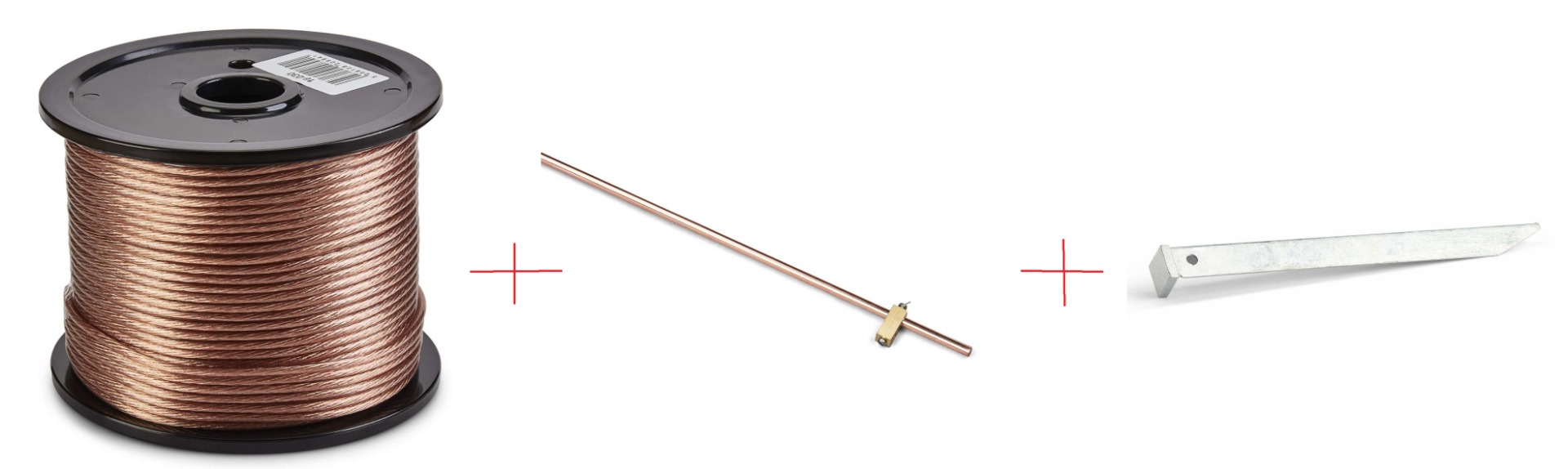
Once that is in place, the antenna system effectively has its two sides:
- The main radiator running out into the garden
- The counterpoise wire providing the return path
Insulated or bare wire?
Either will work.
As long as it is copper wire, the practical difference is not dramatic. PVC-covered wire tends to weather better, so it is often the sensible option for a permanent outdoor installation, but electrically there is no need to overthink it.
Remote antenna tuners worth considering
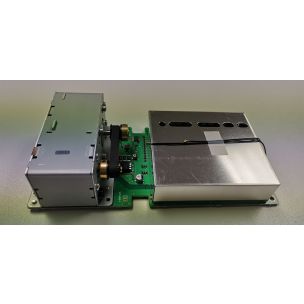
There are several units commonly used for this sort of installation. The right one depends on your transceiver, your preferred bands, and how you want to handle control and power.
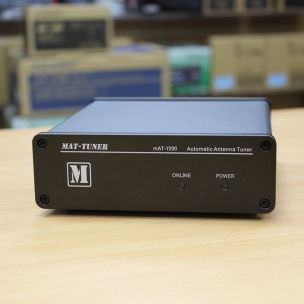
- Coverage: 3.5 to 30 MHz
- Designed for recent Alinco transceivers
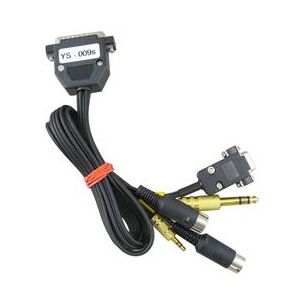
- Supplied with a control cable
This is a dedicated option for Alinco users and a straightforward one if your station already fits that ecosystem.
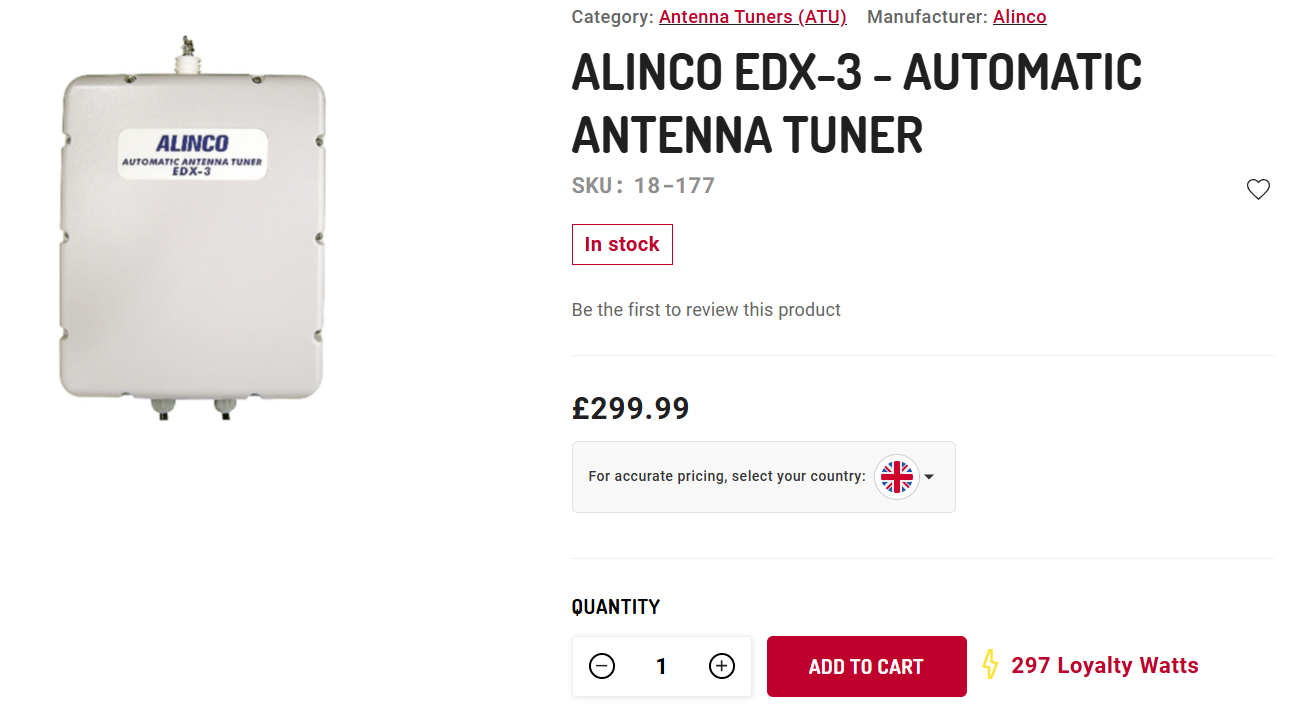
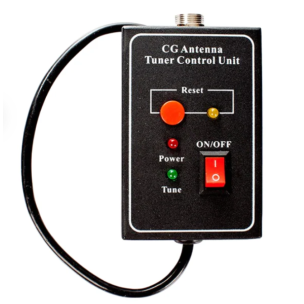
- Coverage: 1.8 to 30 MHz
- Power rating: 200 W PEP
- Not dedicated to any particular transceiver
- Requires a separate 12 V DC feed
A popular universal choice for HF use, particularly if you want something that is not tied to one radio brand.
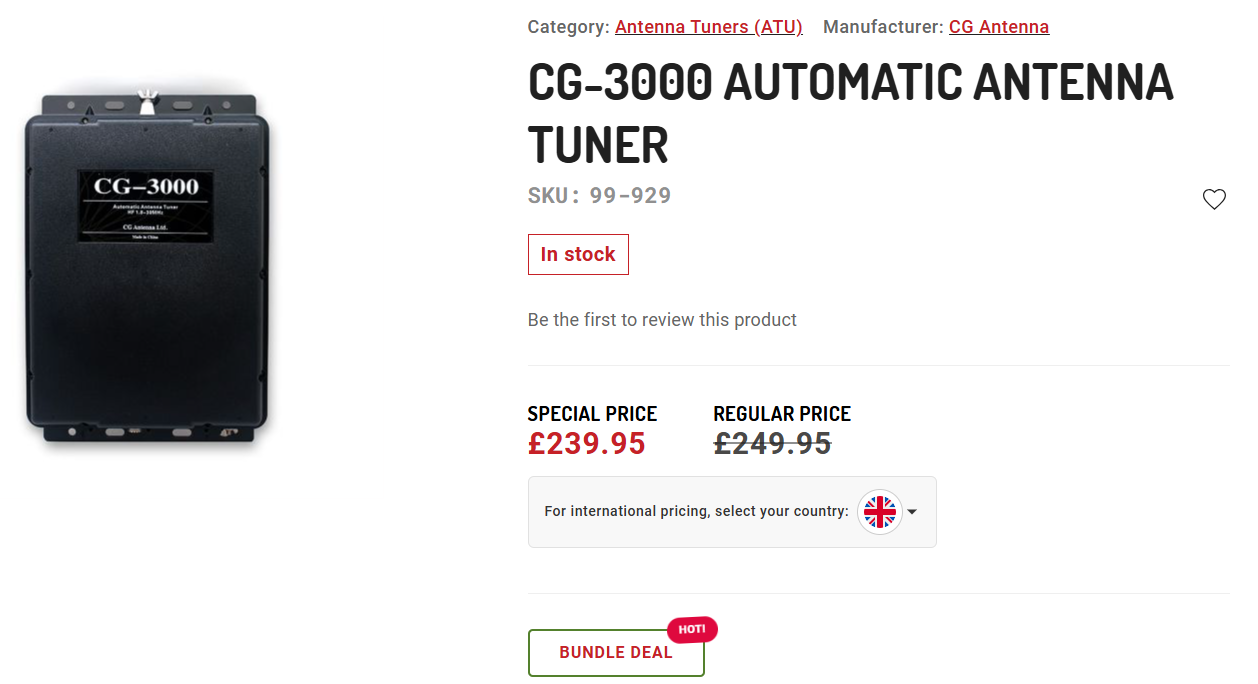
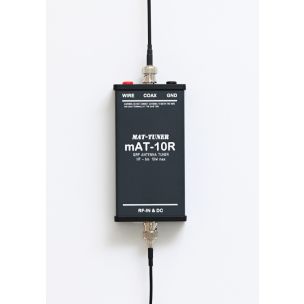
- Coverage: 1.8 to 54 MHz
- Power rating: 120 W SSB
- Works with different transceivers using the appropriate cable
You buy the tuner itself and then select the control cable that suits your particular radio.
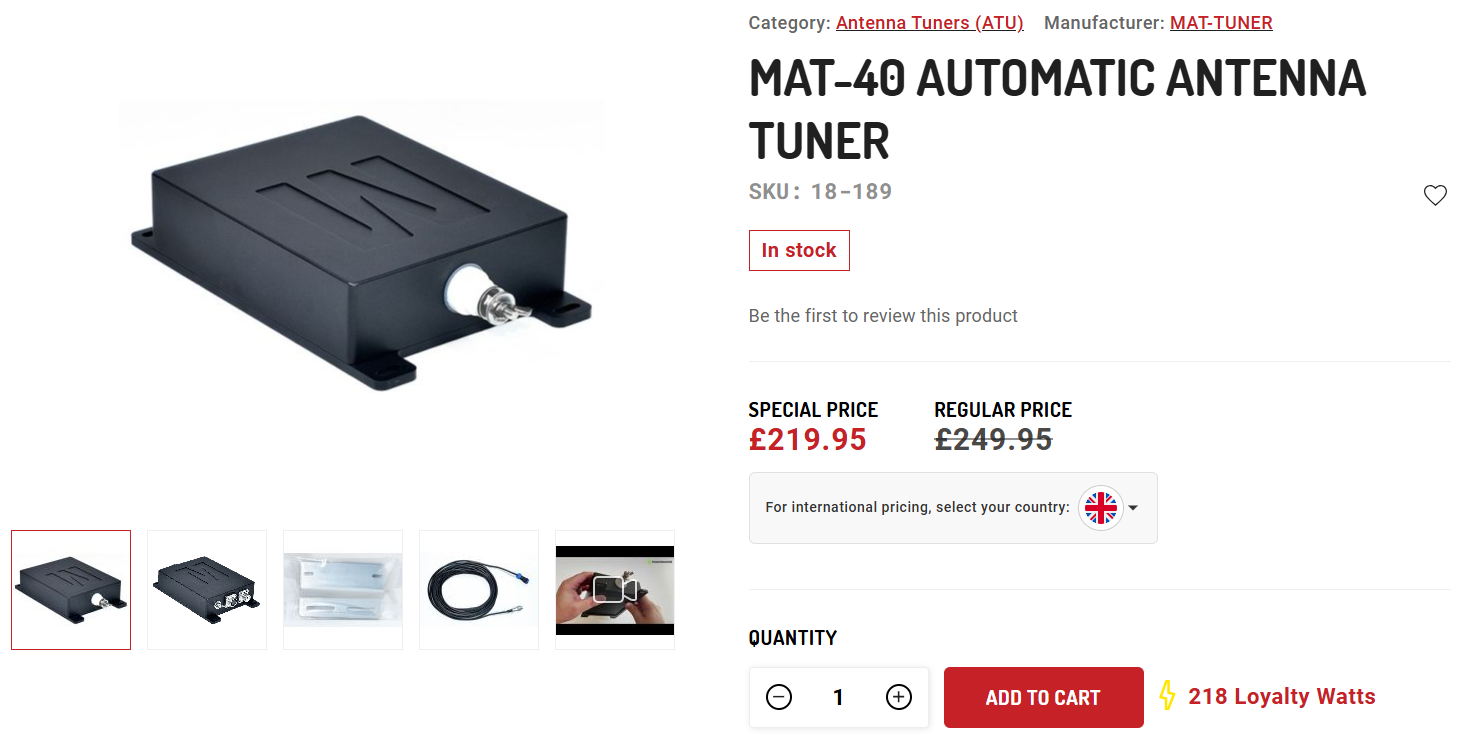
- Coverage: 1.8 to 54 MHz
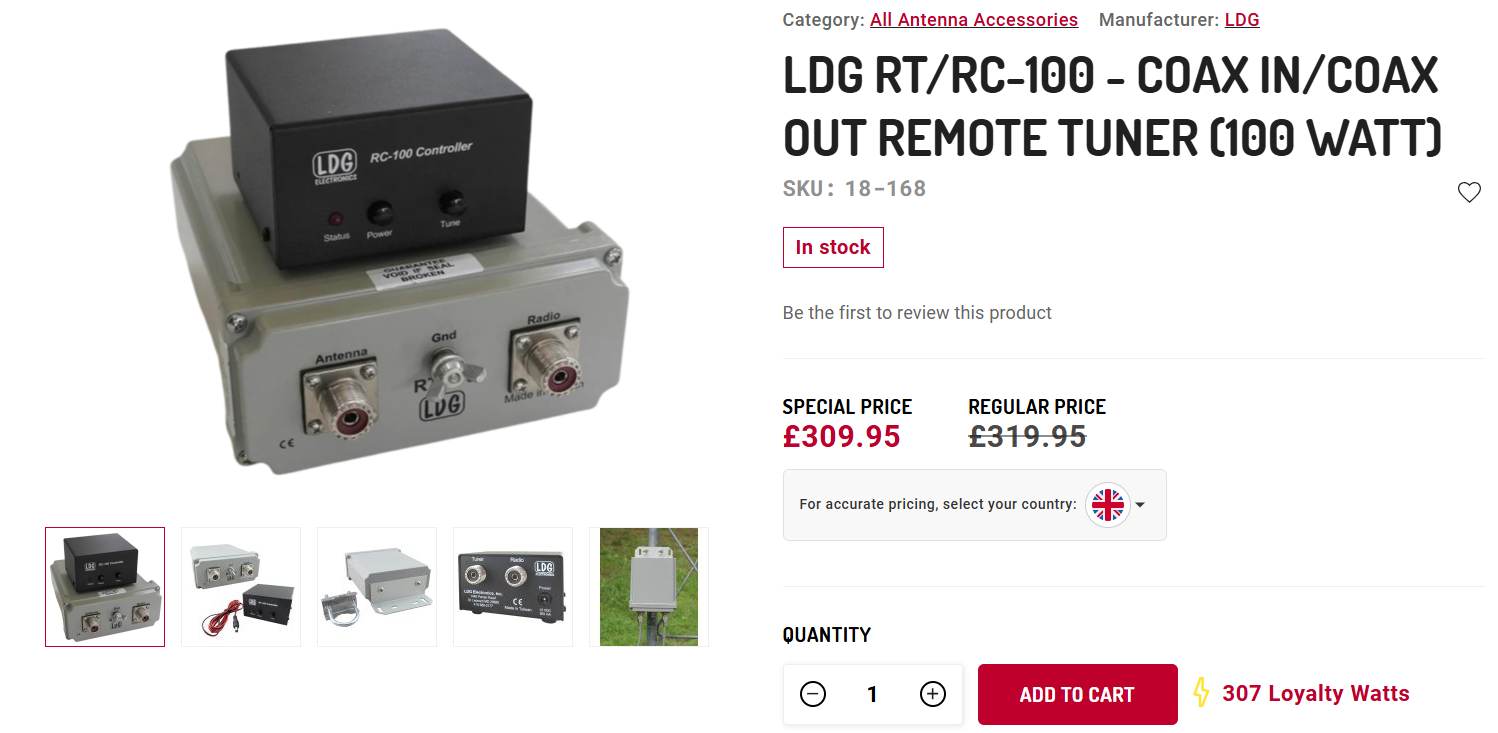
- Power rating: 100 W PEP
- Not dedicated to a specific transceiver
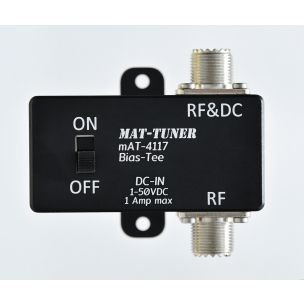
- Feeds DC power up the coax
This is a neat installation option because you do not need a separate power lead out to the tuner.
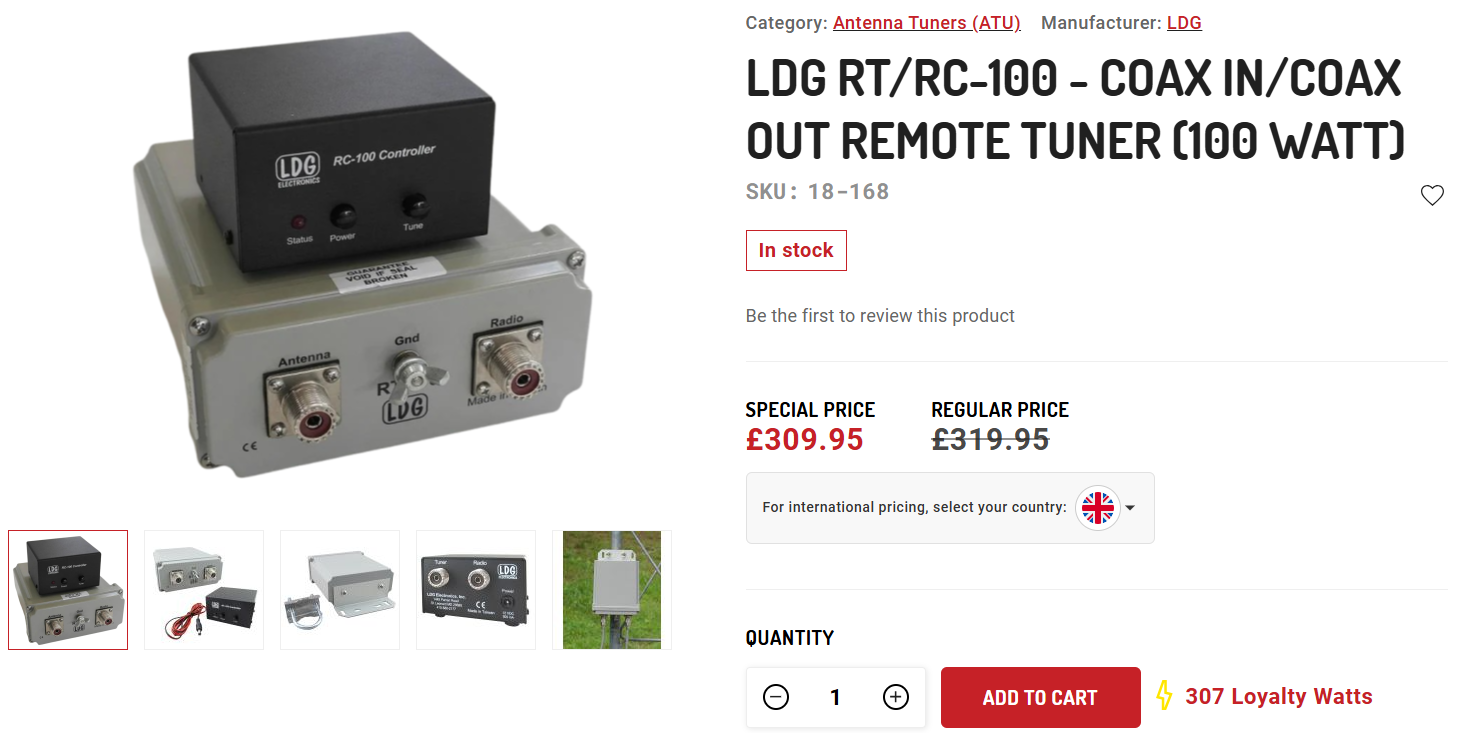
- Coverage: 1.8 to 54 MHz
- Power rating: 100 W PEP
- Dedicated lead for modern Icom transceivers
A clean, integrated solution for Icom users wanting remote matching on HF and 6 metres.
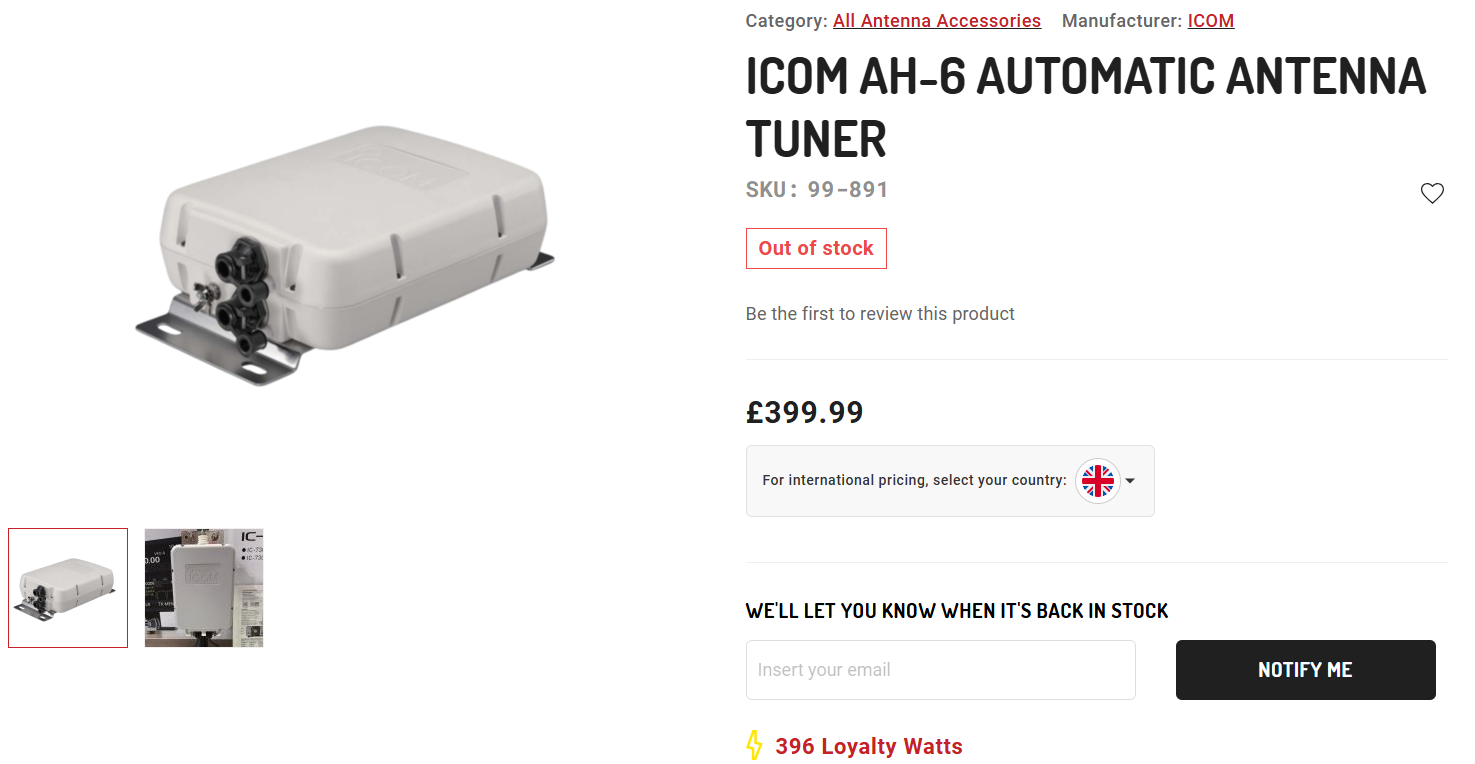
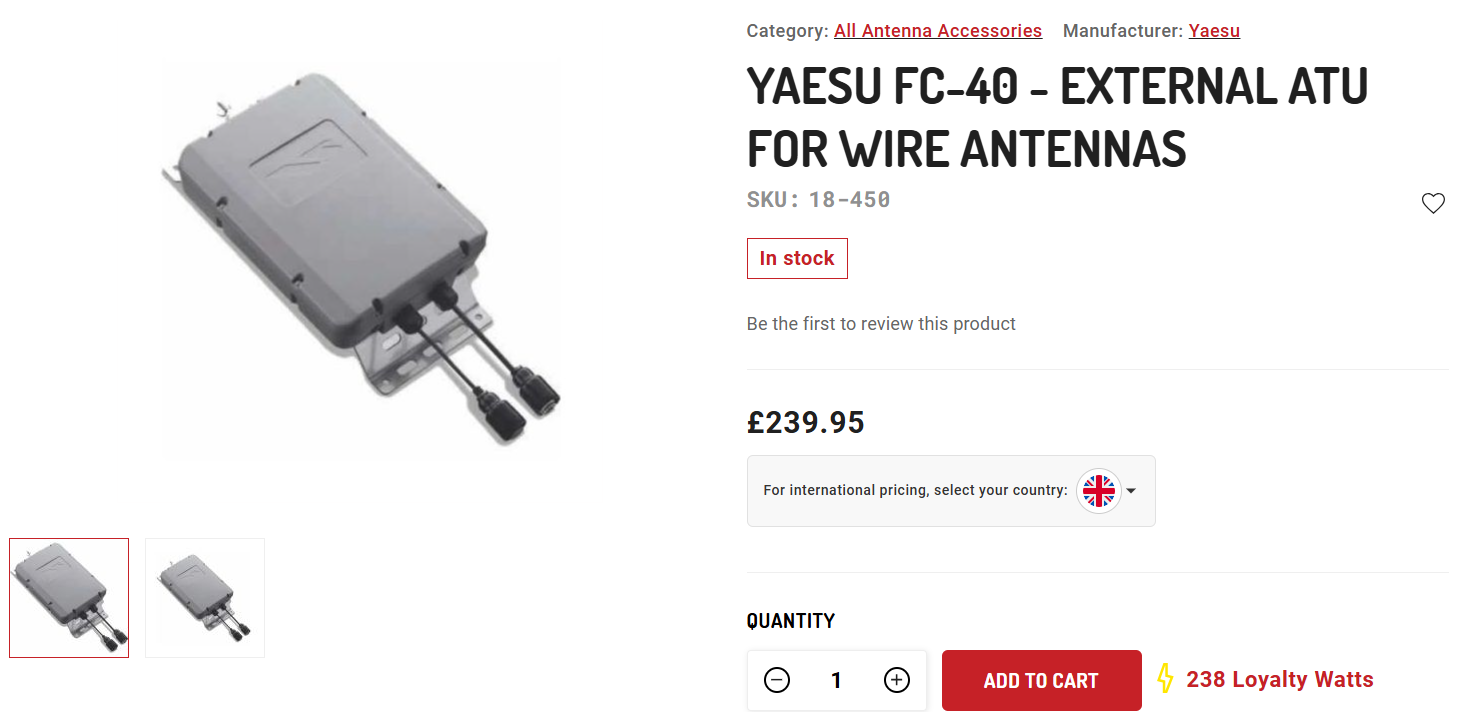
- Coverage: 1.8 to 54 MHz
- Power rating: 100 W
- Dedicated lead for modern Yaesu transceivers
For Yaesu operators, this is the obvious factory-style choice and very easy to integrate into a compatible station.
Power limits matter
This is one point you really must keep in mind. Most external matching units are intended for the typical 100 W class HF transceiver, but the rating is usually given for PEP on SSB, not for continuous-duty modes.
That means:
- SSB at normal transceiver power is generally fine
- CW often needs a little more caution, perhaps around 50 to 60 watts depending on the unit
- FM and digital modes such as FT8 need much lower power because they behave more like continuous carrier operation
Some manufacturers effectively down-rate a 100 W PEP tuner to around 30 W for FT8. Similar caution is sensible for FM. If you ignore that, you are asking a compact outdoor matching unit to dissipate more heat than it was designed for.
So yes, these systems are ideal for most stations, but only if you use them within their intended limits.
Why this setup is ideal for experimenting
Another real attraction of the remote tuner and wire arrangement is flexibility.
Once the tuner is in place, you can experiment endlessly with the wire itself:
- Change the length
- Alter the direction
- Raise or lower sections
- Try different bends and routing paths
That is much easier than rebuilding a more rigid antenna system every time you want to test an idea.
For anyone with a modest garden and a practical mindset, this is half the fun. You can start with what fits, then improve it bit by bit.
Can you really get 160 metres into a tiny garden?
Yes, sometimes you can.
If your garden is only 30 or 40 feet long, that does not necessarily stop you. Run the wire to the end, bend it, bring it back, and use the available perimeter creatively. You may be able to fit the 60 or 70 feet needed for 160 metre tuning without the antenna being obvious at all.
It will not be a miracle antenna, and no sensible person would pretend otherwise, but getting onto 160 metres from a very small plot with a discreet wire is still a very attractive result.
Final thoughts
If you are trying to fit an HF antenna into a small back yard, a remote antenna tuner with a random wire and counterpoise is one of the most useful approaches available.
It offers several genuine advantages:
- Very wide band coverage
- Potential operation from 160 m to 6 m
- Low-profile, almost invisible installation
- Low VSWR on the coax feed
- Flexible wire routing to suit awkward spaces
- Excellent scope for experimentation
For small gardens, that is hard to beat. If you have written off certain bands because your space is limited, this sort of installation may be exactly what gets you back into the game.
For more information please visit our online store or alternatively contact us and our team will be happy to assist you!