

VIDEO REVIEW
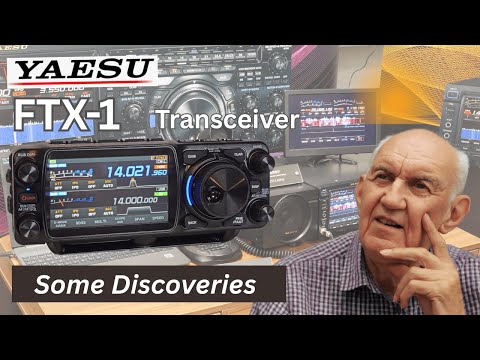
I'm Peter Waters (G3OJV) from the waters stanton channel, and after nearly three weeks with Yaesu's new FTX‑1 I've put together a hands‑on overview of what this compact HF+VHF transceiver can do. In this post I cover the two versions available, how the Optima amplifier changes the game, the receiver performance (which genuinely impressed me), and a few neat tricks and practical tips for both base and portable use.
FTX‑1 at a glance: Field vs Optima
The FTX‑1 comes in two flavours:
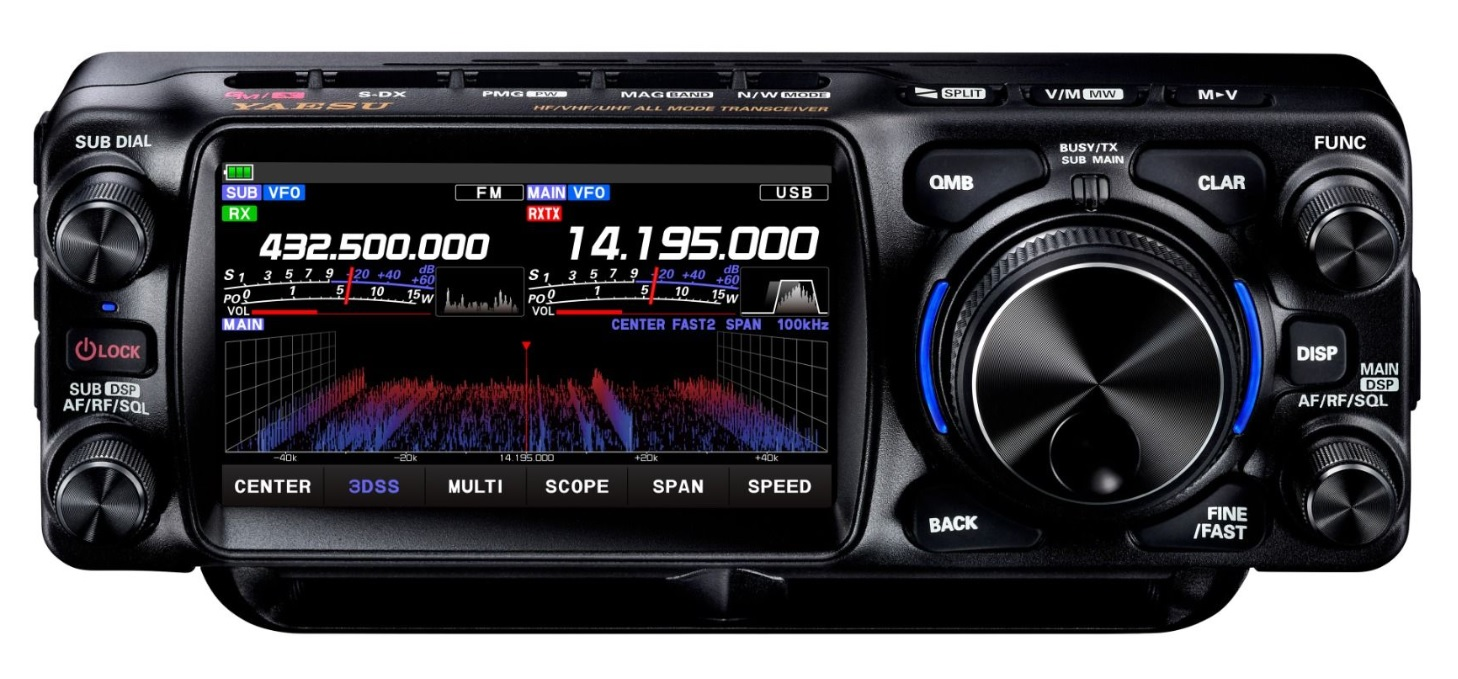
- FTX‑1 Field
- FTX‑1 Optima
the low‑power, highly portable head unit. Runs 6 W from the supplied battery or up to 10 W when connected to an external 12 V supply.
the Field head plus a clip‑on amplifier module. This boosts output to 100 W on HF (160 m through 6 m) and 50 W on 4 m, 2 m and 70 cm, effectively turning the compact portable into a tidy base station.
Buy the Field now and add the amplifier later if you like — a very versatile two‑unit concept that gives you both QRP portability and a proper base‑station option.
What you get and the build
The Field head is robust and chunky — about the weight of an SLR with a zoom lens — and inspires confidence. Every FTX‑1 comes with a 6.3 Ah battery (a real highlight), the standard hand microphone (same as the FT‑710), and a 12 V DC lead that also charges the battery.
- Battery :
- Connections :
- Controls :
6.3 Ah, USB chargeable (battery has its own USB socket), roughly 7 hours from flat to full via the USB port. In my use it lasted all day — ideal for portable outings without a second battery.
BNC for HF, separate BNC for VHF, external speaker socket, earth lug, accessory socket for linear switching, 12 V DC input, headphone/phone, key socket, optional GPS, USB and modular mic jack. There’s also a tripod socket on the bottom.
Large colour screen, physical knobs and buttons, two independent volume controls (one for the primary receiver and one for the secondary), and a menu system that doesn’t block the receiver display — you can operate while changing settings.
The Optima amplifier module
Clip the amplifier to the back of the Field head and you have a compact 100 W HF/50 W VHF transceiver.
Key features:
- 100 W on HF (160 m–6 m)
- 50 W on 4 m, 2 m and 70 cm
- Built‑in antenna matching unit covering 160 m–6 m
- Two HF antenna sockets (one on the Optima, one on the head unit)
- Quiet fan — in my use I haven’t actually heard it kick in loudly
The Optima also includes an extension cable so you can separate the head from the amplifier — very handy if you want to hide the power supply and amplifier in a cupboard and use only the head as a tidy control panel on your desk.
Note on the extension cable: the thicker BNC cable is VHF and plugs into the lower BNC on the Optima; the thinner cable is HF and goes to the upper BNC. Velcro wraps and a special clamp are supplied to keep everything tidy and secure.
Receiver performance — a highlight
If you’ve tried the Yaesu FT‑710 you’ll know the receiver is exceptional. I believe the FTX‑1 uses the same receiver architecture: the sound is remarkably quiet and clean.
Plugged into a small external speaker (the internal speaker is a bit trebly for serious base use), the FTX‑1 delivers listening quality essentially identical to the FT‑710 on HF. For base use, I recommend a small external speaker — the FTX‑1 sounds best that way.
Dual receive and flexible operation
One of the FTX‑1’s prime features is simultaneous receive on two bands. Practical details:
- Two independent receivers — you can monitor an HF frequency and a VHF frequency at the same time.
- The primary receiver always displays on the right; the secondary on the left. Each has its own volume control.
- You can configure transmission and reception combinations — e.g., transmit on HF and receive on VHF, or the other way around.
- You can listen to two different VHF frequencies simultaneously (or two frequencies on the same VHF band).
Menus are non‑blocking, so you can tweak filters, shift, width, notch and contour while still monitoring audio. Hold the volume knob to change RX filter settings quickly; press it again to return to normal operation.
Modes, memory and practical features
The FTX‑1 supports the usual amateur modes: SSB, CW, AM, data modes, and Yaesu’s C4FM for FM digital. FM features include repeater shift, DTMF and CTCSS. Memory implementation is comprehensive, and there are plenty of menu options for fine tuning — more than one video’s worth to explain fully.
Neat tricks and tips I discovered
- Battery‑on‑back trick:
- Removable head:
- Tidy base station:
Keep the 6.3 Ah battery clipped to the rear of the head to give the unit a comfortable tilt and to allow charging from the Optima. If you switch the Optima’s mains power off, the head will still operate in QRP mode (5–6 W) from the battery while remaining connected to the antenna. Great for low‑power portable ops without having to move cables.
Press the locking tab and lift the head off the Optima to use the Field unit as a standalone QRP transceiver for portable work.
Use the extension cable to place the head on your desk and hide the amplifier/power supply elsewhere — neat and unobtrusive, especially in shared living spaces.
How it compares to other Yaesu models
- FT‑817 / FT‑818:
- FT‑991A:
- FT‑710:
The FTX‑1 is not a direct replacement. The FT‑817/818 were pure QRP classics and remain popular on the second‑hand market. The FTX‑1 is a different, more feature‑rich design.
The FT‑991A remains attractive on price — 160 m through 70 cm in one box — but the FTX‑1 Optima offers a more modern, higher‑end feature set (and a higher price tag).
The FT‑710 and FTX‑1 share remarkably similar receiver performance. If you love the FT‑710’s super‑quiet receiver, you’ll likely love the FTX‑1’s sound on HF.
Pros and potential considerations
- Pros: Extremely versatile (portable QRP or full 100 W base), superb HF receiver, robust build, long‑lasting battery, clever removable head and tidy base‑station options, quiet fan, good VHF/UHF coverage.
- Considerations: Price of the Optima is higher than some alternatives; internal speaker is fine for portable use but an external speaker improves base‑station audio; early delivery stagger meant firmware updates were needed — the European units I tested had the latest firmware.
Final thoughts
I've thoroughly enjoyed my first few weeks with the FTX‑1 Optima. It’s not a simple replacement for older QRP classics but rather a flexible, modern approach that gives you both a genuine portable head and a 100 W base station when the amplifier is attached. The receiver is the standout for me — very quiet and pleasant to listen to — and the removable head concept opens up real practical benefits for both desk space and portable operating.
If you want a compact, capable transceiver that can be tiny on the desk or full power on the air, the Yaesu FTX‑1 is well worth considering. I'll be doing more in‑depth videos and write‑ups on the filtering, menus and detailed operation, so there’s more to come.
Availability
The FTX‑1 Field and Optima are available through UK Ham Radio dealers and mainstream amateur outlets; many suppliers ship worldwide. If you’re shopping, ask about part‑exchange deals — there are often good offers available.
Enjoy your radio, take care, and I look forward to sharing more findings and tests soon. 73.
For more information please visit our online store or alternatively contact us and our team will be happy to assist you!