


As the holiday season approaches, now is the time to think about upgrades, accessories and projects for your station. Stock levels tighten, delivery windows shorten and retailers run seasonal promotions that can make a real difference to the final price. The following guide pulls together the most useful shopping advice, current offers and practical tips for operating during December and January. Whether you plan to buy a new HF transceiver, a compact handheld for local nets or a rugged field rig for outdoor use, this article should help you make an informed choice.
Plan ahead, deliveries, stock and seasonal realities
One predictable feature of the holiday period is constrained supply. Importers, couriers and many suppliers close down for an extended break around Christmas and New Year. That means even if something appears on the website, replenishments are unlikely until January. If a particular model matters to you, order sooner rather than later.
Practical rules to follow:
- Check stock early and place orders well before mid-December if you need guaranteed arrival.
- Allow extra delivery time — same-day processing is common if orders arrive by mid-afternoon, but couriers are busier and delays can occur.
- Ask about part exchange and pre-owned options — these can reduce the net cost and sometimes deliver a higher-spec radio within budget.
Hot deals and notable radios to consider
Several recent offers and product arrivals make this a good moment to consider buying. The following are worth special attention.
Yaesu cashback offers:
There is a current cashback promotion that reduces the effective cost on a number of Yaesu transceivers. Typical savings can be around £85 on HF transceivers and about £45 on VHF/UHF models. Cashback schemes normally require you to pay the full price at purchase and then claim with the manufacturer using the receipt and the serial number. Be aware that cashback payments are delayed by design to allow buyers their statutory right of return — expect the process to take a couple of months.
Advantages of taking cashback:
- Immediate availability of the radio rather than waiting for a putative discounted delivery.
- Potential to combine cashback with retailer bundles or freebies to increase value.
- Works well when you already know the model suits your needs and you are confident you will keep it.
Icom IC-7300 Mk II arrival

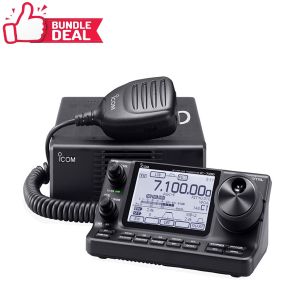
The Icom IC-7300 Mk II remains highly sought after. When new stock arrives, units often move quickly. Retailers may release product pages and open online ordering at a specific time, avoiding deposits to ensure fairness when stock is scarce. If you plan to buy, be ready to order online when the listing goes live to secure a unit.

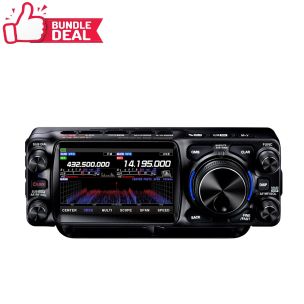
The Yaesu FTX-1 family and the FT-710 series are both attracting attention. The FTX-1 comes in different flavours, and with recent price adjustments plus the cashback, the field variant can land around £1,390 after incentives. The FT-710 is available as the Field or the AESS version. The AESS includes an extension speaker and allows a degree of audio channel separation with a little configuration. If you prefer a simpler, lighter rig for portable operation, the Field version removes the extension speaker and saves a bit of money.
When comparing these models, think about how you operate:
- Do you want built-in speaker performance or are you prepared to use a headset or external speaker?
- Will you primarily use the rig on the desk at home, or carry it on outdoor activations?
- Can you take advantage of part exchange to lower the net cost?

Part exchange: a quick route to affordability
Part exchange is often the fastest, simplest way of upgrading without paying full retail for a new rig. Be candid about the condition of your old radio and include details such as whether you have the original box, manuals and any accessories. Common assessment points include:
- Physical condition and cosmetic damage
- Operational status and known faults
- Completeness of the package (box, leads, handbook)
If a seller collects the radio, that can be especially convenient. In many cases the part exchange allowance will reduce the amount you need to put on the credit card so your month-end bill reflects only the net spend.
Handhelds and compact radios worth a look
If you need a straightforward dual-band handheld for local nets and convenience, modern budget models are remarkably capable.

There are extremely affordable Quansheng handhelds that cover 2 metres and 70 centimetres and offer basic, reliable performance. These are ideal as secondary radios to keep in a car glove box or as a backup for club nets.
New arrivals include the WT2, a compact unit that combines UHF transceiver capability with interesting digital features. It offers about 2 watts output across 400 to 470 MHz, includes preloaded broadcast station data and supports push-to-talk over cellular. It is a hybrid device that bridges conventional radio with internet-enhanced features.
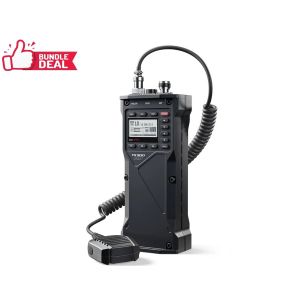
The TX500 is a different proposition: a military-grade, ultra-slim, weather resistant radio suitable for outdoor work. It delivers up to 10 watts, does not rely on a built-in speaker to preserve water resistance and instead uses a speaker microphone that doubles as the listening device. For field operators who want maximum durability and water ingress protection, these rugged designs are compelling.

Antennas: the simplest performance upgrade
Upgrading or choosing the right antenna is one of the best ways to improve station performance without changing the transceiver. Two ranges are particularly noteworthy for quality and durability.
Dual band and single band Yagis
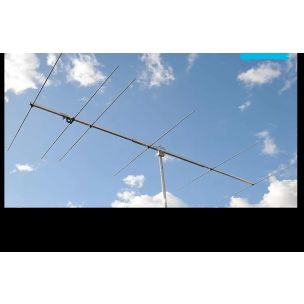
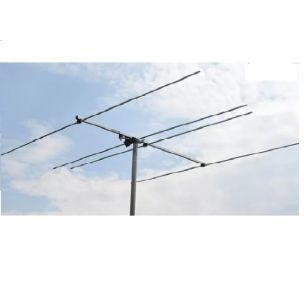
There are several well-engineered dual-band Yagi options made in Europe that offer excellent mechanical quality and simple assembly. These dual designs often interleave elements for 2 m and 70 cm and use a single coax feed. They provide strong performance for local and regional work and are a good entry point to VHF/UHF directional antennas.
-
 18 element 88-108MHz OP-DES Yagi AntennaSpecial Price £389.60 Regular Price £487.00
 -
 Diamond 2400-Y15 Mast mountedSpecial Price £250.00 Regular Price £280.00
 -
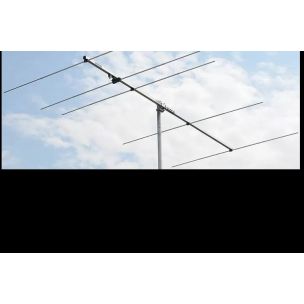 DUAL 4M5DX - 4m 5el ANTENNA£199.95
 -
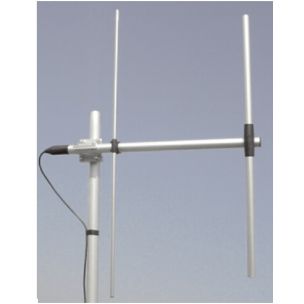
 DUAL 4M2DX - 4m 2el ANTENNASpecial Price £99.95 Regular Price £109.95







Diamond verticals and robust engineering
Diamond verticals are known for longevity, repeatability and excellent manufacturing standards. These omni-directional antennas are popular with repeater groups and club sites because they offer reliable performance and minimal maintenance. Many Diamond verticals are dual band, giving immediate access to both 2 m and 70 cm without compromise.
When choosing an antenna, consider:
- Whether you want directional gain or omni-directional coverage
- Site constraints such as space, mounting height and neighbours
- Exposure to weather and the need for robust corrosion protection
-
 Diamond X-30N Dual Band Vertical (N-Type)Special Price £49.95 Regular Price £54.95
 -
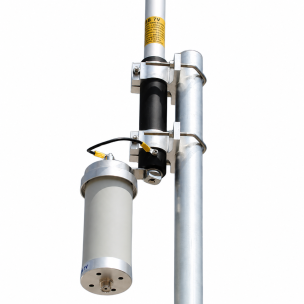 Diamond BB7V Wideband HF Antenna ( 2-30MHz)Special Price £299.95 Regular Price £349.99
 -
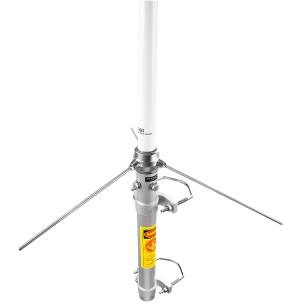 Diamond X-50 Dual Band VerticalSpecial Price £59.95 Regular Price £69.95
 -
 Diamond X-200N Dual Band VerticalSpecial Price £84.95 Regular Price £89.95
 -
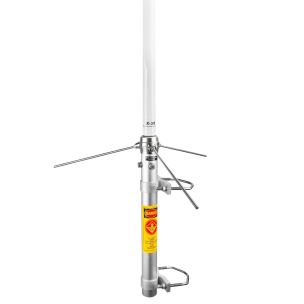 Diamond X-30 Dual Band VerticalSpecial Price £44.95 Regular Price £49.95
 -
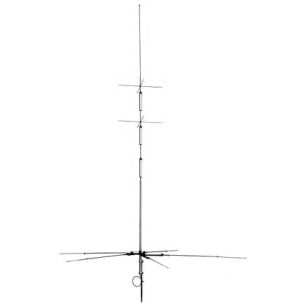 Diamond CP-6SR Vertical HF AntennaSpecial Price £399.95 Regular Price £449.99
 -
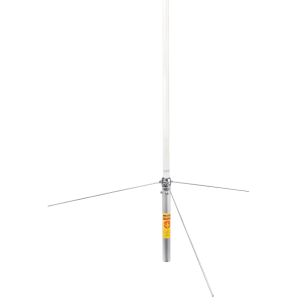 Diamond X-200 2m/70cm Dualband Base AntennaSpecial Price £79.95 Regular Price £89.99
 -
 Diamond CP610 28MHz + 50MHz Base AntennaSpecial Price £175.00 Regular Price £229.95
 -
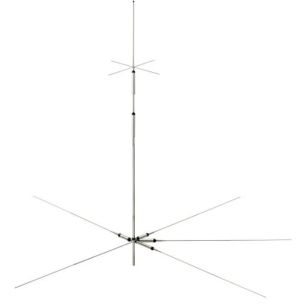 Diamond CP-5HS II 5 Band Vertical AntennaSpecial Price £349.95 Regular Price £369.95
 -
 Diamond SE-300 Dual Band Vertical Radial FreeSpecial Price £119.95 Regular Price £124.99
 -
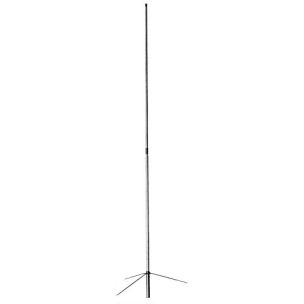 Diamond X-300N Dual Band VerticalSpecial Price £109.95 Regular Price £119.95
Propagation and operating opportunities over the holidays
The holiday period can be one of the most interesting times for on-air activity. A few points to keep in mind:
- Six metres can experience unexpected openings during December and January. There is often no warning; conditions simply lift and suddenly long-distance contacts become possible. Keep a watch on the band and set alerts in your logging or cluster software.
- Ten metres can also be lively through the winter months when solar and ionospheric conditions cooperate. Even sporadic activity can yield worthwhile contacts and contests.
- VHF/UHF holiday activity — societies often run events and informal nets over Christmas and New Year. These encourage activity across local and regional networks, and are ideal for testing new handhelds or antennas.
Check national society calendars for scheduled holiday contests and activities. These events bring more station activity to the bands and make testing new equipment more rewarding.
Practical buying and ordering advice
Here are distilled tips to make purchases smoother and reduce disappointment at the busiest time of year.
- Order early. Stock runs down before the peak holiday week and replacement shipments are unlikely until January.
- Know the seller’s dispatch policy. Many shops aim to send same-day if the order arrives by around 2pm. Use tracked services when possible.
- Watch for bundled offers. Retailers frequently combine radios with power supplies, leads and accessories, occasionally including freebies. Bundles can add immediate value and reduce post-purchase hassle.
- If you plan to part exchange, describe the item honestly. Mention the box, manuals and any known defects to get an accurate allowance.
- For high-demand items, expect limited stock and avoid placing deposits that may complicate allocation if the supplier receives fewer units than expected.
We don't take deposits.
This approach prevents confusion when suppliers ship fewer units than anticipated. It keeps allocation transparent and ensures fairness for customers ready to complete payment when stock is confirmed.
-
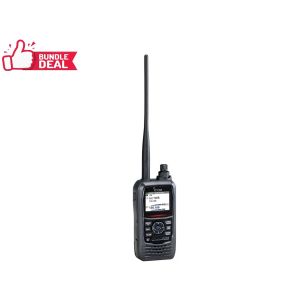
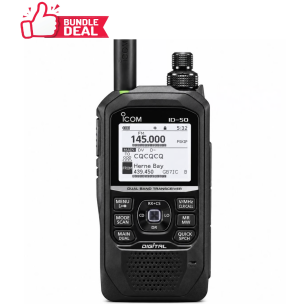 ICOM ID-50E Dual Band Handheld Transceiver
From £295.00
-
 Minor II Plus CB Radio - Bundle Deal
From £49.95
-
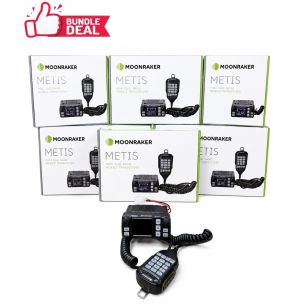
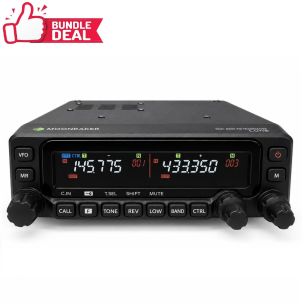 Moonraker Luna Mobile Transceiver - Bundle Deal
From £199.95
-
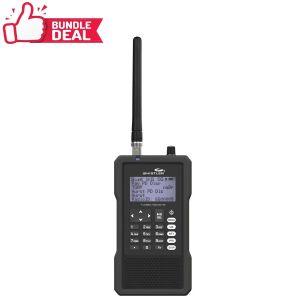
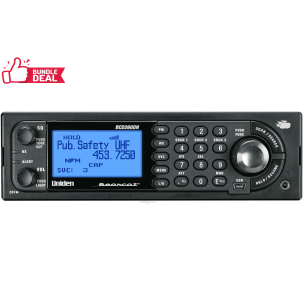
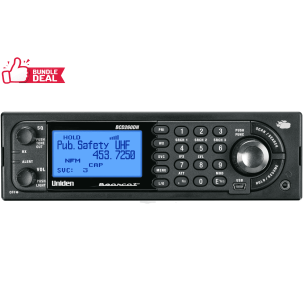
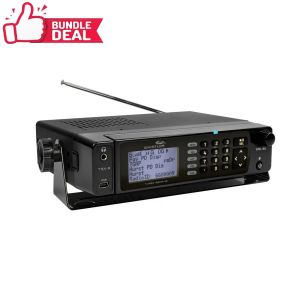 Whistler TRX-2 E Desktop Scanner - Bundle Deal
From £529.95
-
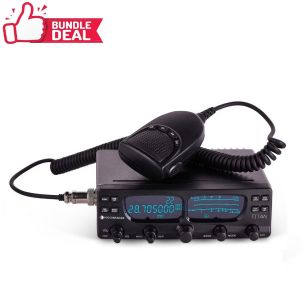 Moonraker Titan MKII Transceiver Bundle Deal
From £139.95
-
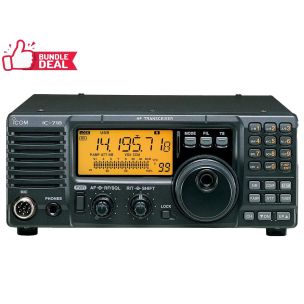 ICOM IC-718 HF Transceiver Bundle Deal
From £864.90
-
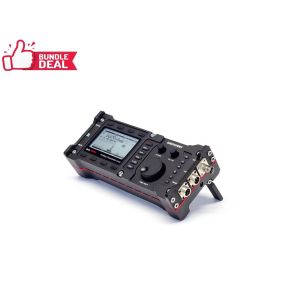 TX-500 Discovery Portable Transceiver Bundle Deal
From £1,127.45
-
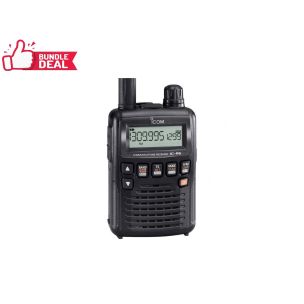 ICOM IC-R6 Compact Wideband Antenna Bundle Deal
From £179.95
-
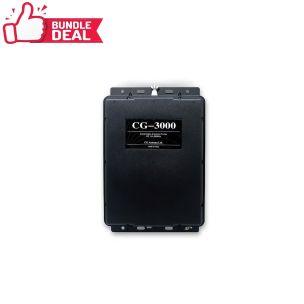 CG-3000 Automatic ATU Bundle£239.95
 -
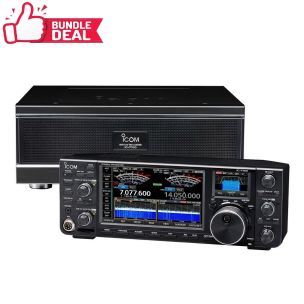
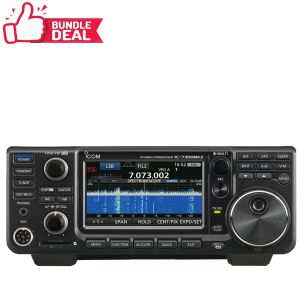 Icom IC-7300 MK2 SDR Transceiver Bundle Deal
From £1,359.00
-
 RigExpert Match Bundle Deal
From £269.95
-
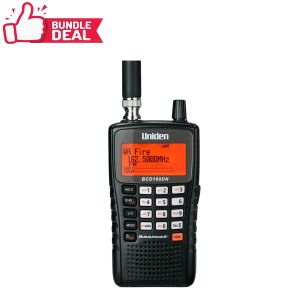
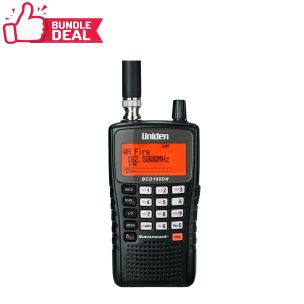
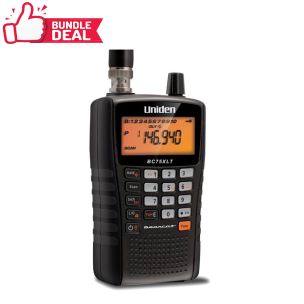
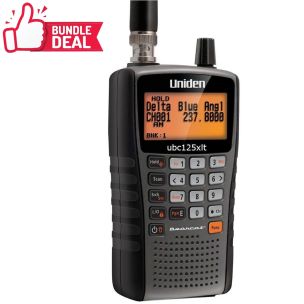 Uniden UBC-125XLTC Handheld Scanner BUNDLE DEAL
From £154.95
-
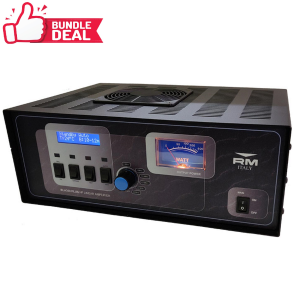
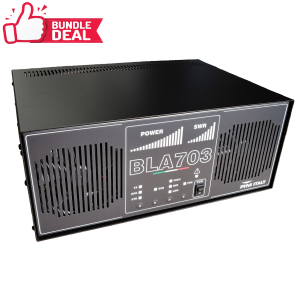
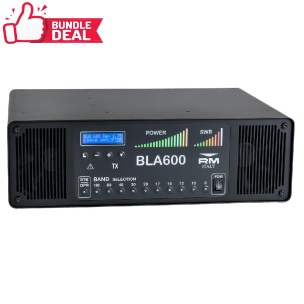 RM BLA600 Linear Amplifier Bundle Deal£2,349.95
 -
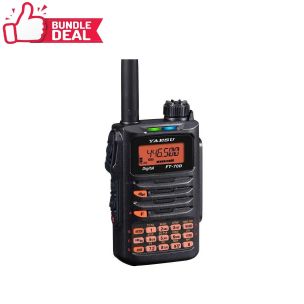
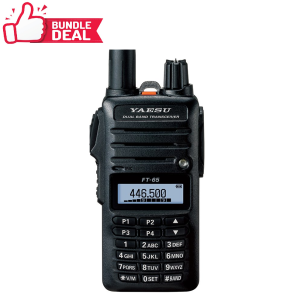 Yaesu FT-65E Bundle Deal
From £84.95
-
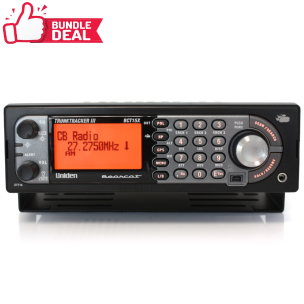 Uniden Bearcat BCT-15X GPS Scanner Bundle Deal
From £269.95
-
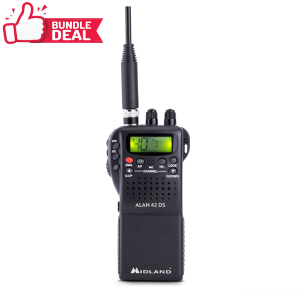 Midland Alan 42DS CB Radio Bundle Deal
From £99.95
-
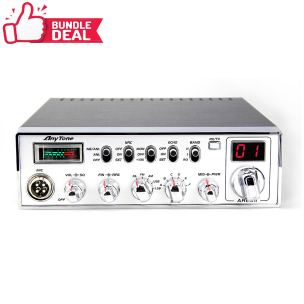 AnyTone ARES II Bundle
From £179.95
-
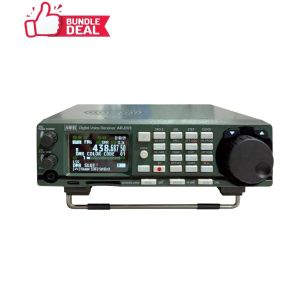
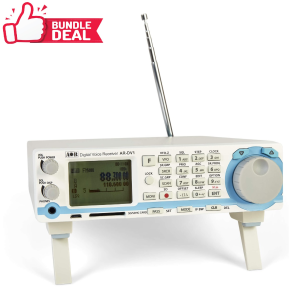 AOR AR-DV1 Receiver Bundle Deal
From £899.95
-
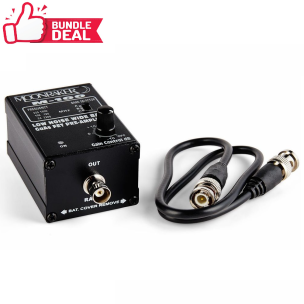 M-100 Pre-Amplifier Bundle Deal
From £69.95
-
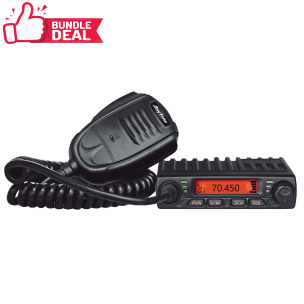
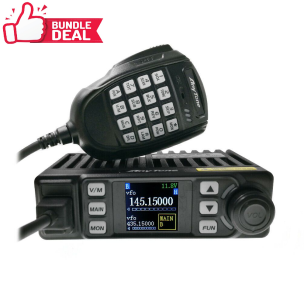 Anytone AT-779UV Bundle Deal
From £75.00
-
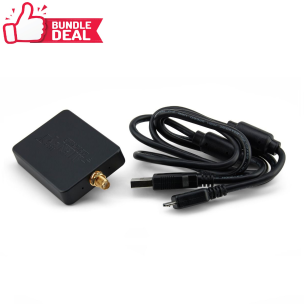 Airspy HF Plus Bundle Deal
From £199.95
Support, showroom visits and aftercare
Visiting a dedicated retailer can be a useful part of the buying process. A well-staffed sales floor provides immediate, knowledgeable advice and the chance to see equipment in person before purchase. Useful points about visiting a retail location:
- Ask to book a short consultation if you want hands-on time with a radio or to discuss antennas and site planning.
- Check opening hours and any holiday closures before travelling — many stores adjust hours over Christmas and New Year.
- Bring paperwork for part exchange items to speed up valuation. Include serial numbers and any receipts if possible.
For those unable to visit, phone and email remain fast routes for questions. Good retailers will have trained staff able to advise on system matching, coax runs, power supplies and practical installation tips.
Looking ahead: community and events
Beyond shopping and operating, consider the role of major events in fostering the hobby. Sponsoring and supporting competitive events and international gatherings helps keep the hobby vibrant and pushes station standards forward. Community-focused events lead to more active bands, better training opportunities and increased public awareness of amateur radio.
Short checklist before you click buy
- Confirm stock and delivery estimate for your postcode.
- Check warranty and returns policy to understand timelines and responsibilities.
- Compare bundle contents so you receive all the essential accessories at the best total price.
- Prepare part exchange items by gathering boxes, manuals and photos of condition.
- Plan your installation — antenna, power, grounding and working space — before the new radio arrives.
Final thoughts
The winter holiday season offers a mix of deals, launches and community activity that makes it an excellent time to upgrade or try something new. Plan ahead for delivery constraints, make good use of cashback and bundle offers, and consider part exchange to lower the net cost. Don’t overlook the impact of a quality antenna or a rugged field radio if outdoor operating is on your list.
Most importantly, keep the radio on the air. Holiday activity increases on certain bands, and there are often surprise openings that make for memorable contacts. Enjoy the season, make the most of the available offers and use any spare time to test, learn and join in on the bands.
For more information please visit our online store or alternatively contact us and our team will be happy to assist you!